Showing posts with label Adrenal Fatigue. Show all posts

Tuesday, April 21, 2015

Redox balance, the pentose phosphate pathway, and adrenal function

In my last blog I went over some of the science linking thiamine deficiency to altered adrenal function, dysautonomia, and how that relates to adrenal fatigue and it's symptoms.  In this blog we begin looking at mechanisms by which thiamine impacts adrenal function.  The first mechanism deals with the pentose phosphate pathway as well as the folate cycle.

Cellular redox balance

Before we get in to the specifics of how the pentose phosphate pathway and folate/methylation cycles affect adrenal function, we need to discuss something called redox balance.  Redox reactions involve the passing of electrons between molecules and are normally coupled with one another.  Reduction involves a molecule gaining an electron while oxidation involves a molecule losing an electron.  In order for one molecule to gain an electron, one must give up an electron, hence the pairing. 

You may be familiar with free radicals and antioxidants.  Free radicals are molecules that have an unpaired electron in their outer shell.  This makes them unstable so they "steal" electrons from other molecules.  By stealing an electron, a free radical becomes more stable and is reduced while the other molecule becomes unstable and is oxidized.  Antioxidants donate an electron to free radicals to prevent healthy tissues from becoming oxidized, but when they reduce free radicals they become oxidized and unstable themselves.
 
Based on the above information, we can call free radicals oxidizing agents and antioxidants reducing agents.  Redox balance refers to the reactive state of the cell.  A cell with a higher percentage of oxidizing agents will favor oxidation while a cell with a higher percentage of reducing agents will favor reduction.   In addition, certain redox pairs exist in different ratios since they function as coenzymes in metabolic pathways.  This is important because many biochemical reactions are dependent on cellular redox balance and this balance will dictate the direction of the pathway as each side of the coenzyme pair causes the reaction to go in a different direction.

Think of it this way.  Often times, when a molecule comes to a metabolic crossroads, it encounters 2 enzymes that will direct it in opposing directions.  Each one of these enzymes is dependent on a cofactor for activation.  If the reduced cofactor is present in higher concentrations, the enzyme dependent on the reduced coenzyme will become active while the one dependent on the oxidized cofactor will be more dormant.  This will direct the molecule down that enzymes pathway and oxidize the cofactor, increasing the chances that the next one of those molecules will go in the other direction.  However, these cofactors are used in so many different reactions that it's possible to "lock" the cellular pathway to favor oxidation or reduction if the redox balance favors one or the other.

The three primary coenzyme redox pairs are FAD/FADH2, NAD+/NADH and NADP+/NADPH; noted as oxidizing agent/reducing agent.  Since cells tend to maintain a very high ratio of NAD+:NADH(Approximately 700 in mammalian tissues), this coezyme pair favors oxidation while the very low NADP+:NADPH ratio in cells(.005) favors reduction.  This allows cells to perform both oxidation and reduction depending on whether the enzyme in the reaction prefers NAD+/NADH as the coenzyme pair or NADP+/NADPH.  In addition, some of these pairs work together as coenzymes, passing electrons between one another.  FAD/FADH2 often work in concert with NADP+/NADPH as cofactors for certain enzymes, many of which are involved in adrenal function. To keep it simple, for the purposes of this blog, we will focus on NADP+/NADPH.  Keep in mind, as mentioned above, that once NADPH is used in a reaction it becomes NADP+, and vice versa.  We use the term redox balance because when one side of the pair goes down the other goes up.

NADPH and cellular redox balance

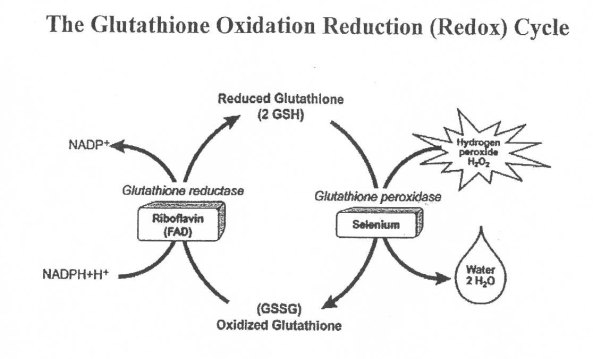
NADPH is a very interesting molecule.  It's used in cells to provide reducing power to promote anabolic reactions as well as function as an electron donor to glutathione.  Glutathione functions as the primary cellular antioxidant and exists in a reduced (GSH) and oxidized (GSSG) form.  When GSH encounters a free radical, it donates an electron with the help of selenium to stabilize the free radical and becomes GSSG, its oxidized, inactive form.  NADPH, in concert with riboflavin(FAD), then converts GSSG back in to the active GSH.  This process converts NADPH to NADP+.
This cycle occurs over and over again in your cells as they encounter free radicals.  Therefore, a high level of free radicals in the cell will shift the redox balance towards oxidation.  However, as you may notice on the left side of the diagram, we have yet to discuss how NADP+ gets converted back to NADPH so that it can reactivate GSSG to GSH again and promote a more reductive cellular environment.  This is where the pentose phosphate pathway comes in.  The oxidative phase of the pentose phosphate pathway converts NADP+ to NADPH to help maintain a reductive state(More NADPH in relation to NADP+).

The non-oxidative phase supports this process by converting products of the oxidative phase back in to glucose 6-phosphate to create more NADPH via the enzymes transaldolase and thiamine dependent transketolase.  For every molecule of glucose 6-phosphate, the pentose phosphate pathway can create 2 NADPH from NADP+ using only the oxidative phase while using both phases yields 12 NADPH provided there is enough thiamine to maintain transketolase activity.  Keep in mind, when looking at redox balance, this means that the oxidative phase increases the number of NADPH by 2 and also decreases the number of NADP+ by 2 while the non-oxidative branch changes each by 12, a 24 point swing in redox balance in favor of NADPH.

Redox balance, specifically NADP+:NADPH, relates to adrenal function because biosynthesis of glucocorticoids, as well as most steroid hormonse, is dependent on NADPH(1).  This could help explain why thiamine deficiency has such an impact on adrenal function because thiamine, specifically thiamine diphosphate, is necessary to get the full NADPH recharging effect of the pentose phosphate pathway.  Additionally, NADP+ favors the conversion of cortisol to cortisone, a weaker glucorticoid, while NADPH favors the opposite conversion.  A redox balance that favors oxidation in the adrenal glands, therefore, can have a negative impact on adrenal function by creating more cortisone than cortisol.  It's interesting to note that cortisol is also capable of binding to the mineralocorticoid receptor while cortisone is not.  This would negatively impact electrolyte balance by increasing sodium loss in the urine, a common casuative factor in adrenal fatigue symptoms.

While we have focused on the pentose phosphate pathway for NADPH production because it provides the greatest contribution, there are other ways NADPH can be produced.  One newly discovered and very interesting pathway involves the folate cycle, so if you have an MTHFR mutation, you may want to strap in.

Next: NADPH, the folate cycle, and adrenal function

Tuesday, April 14, 2015

The importance of addressing thiamine status in adrenal fatigue

In my last blog I discussed the multi-system symptomology of adrenal fatigue and used the analogy of a home heating system to describe how one may address the underlying causes of adrenal fatigue.  The analogy identified 3 components of your home heating system that may be the problem.
  1. The thermostat isn't set properly or doesn't sense the temperature
  2. The ignitor doesn't turn the gas in to heat
  3. The gas flow is off or obstructed
In this analogy, properly setting the thermostat involves changing your lifestyle to address how your brain perceives stress while fixing gas flow is increasing carbohydrate or caloric intake.  Both of these components are important factors to consider and most people do a good job at addressing them.  Addressing the ignitor, on the other hand, is another story.  I would consider addressing the ignitor as addressing nutritional deficiencies.  One nutritional deficiency that has some pretty solid science behind it is thiamine deficiency.  Most people are quick to address vitamin C, magnesium, D3 and other deficiencies with large doses of vitamins or multivitamins while ignoring something that may be as, if not more, important.  Let's take a look how thiamine may play a role in adrenal fatigue.

Thiamine 101

Every living organism on the planet, from bacteria to plants to animals, requires thiamine.  Certain bacteria and plants can synthesize thiamine on their own but animals require thiamine in their diet.  Thiamine is found in a variety of foods including yeast, lean pork, grains, legumes, and certain seeds.  Liver also contains a large amount of thiamine as most animals, including humans, have high stores of thiamine in the liver and red blood cells.

Thiamine is absorbed from the jejunum and ileum from food that is digested or, in some cases, via production by resident gut bacteria.  In fact, of the 3 identified human enterotypes, enterotype 2 has a large proportion of thiamine generating bacteria making hosts with that enterotype less likely to experience thiamine deficiency(1).  There are also bacteria that bind thiamine or create thiaminases, enzymes that degrade thiamine.  Humans absorb a high percentage of low dose thiamine but a gradual decline in the percentage of thiamine absorbed occurs at levels above 5 mg.  Thiamine is absorbed by intestinal cells as thiamine diphosphate but is converted in to free thiamine and released in to the bloodstream.    In the blood, it circulates as free thiamine and only becomes active when it is phosphorylated.  The most active form of thiamine is thiamine diphopshate although it seems thiamine triphosphate has some important, not well defined roles in the nervous system.

Humans store between 25-30mg of thaimine, much less than other animals.  Due to thiamine being a water soluble nutrient, depletion can occur in 14-18 days.  Under deficient thiamine intake, different organs lose thiamine at different rates.  Of utmost importance, the brain and central nervous system hold on to thiamine much longer than other organs.  This is likely due to the brains reliance on oxidative glucose metabolism and the role thiamine dependent enzymes play in that process.  The limbic system, an area of the brain responsible for emotion that also contains the hypothalamus, is typically hit very hard by thiamine deficiency.  It's of interest to note for our purposes that the hypothalamus is the H in the HPA axis. 

Cellular roles of thiamine

Thiamine has several roles in cellular glucose metabolism as it functions as a cofactor for various enzyme complexes.  The pyruvate dehydrogenase(PDH) and alpha ketoglutarate dehydrogenase(a-KGDH) enzyme complexes are important thiamine dependent enzyme complexes that help liberate energy from glucose in the citric acid cycle of mitochondria.  During glycolysis in the cytosol, glucose is converted in to 2 pyruvate molecules that enter the mitochondria.  Inside the mitochondria, pyruvate is converted in to acetyl CoA by the PDH complex so that it can enter the citric acid cycle.  This step requires thiamine diphosphate as a coenzyme.  This is important for 2 reasons.  In neurons, acetyl CoA comes predominantly from glucose and is necessary for the synthesis of the neurotransmitter acetylcholine, which we will cover later.  Secondly, in all cell types, insufficient thiamine decreases PDH activity and lactate accumulates in the cell and pours out in to the circulation.  Blood lactate is known to be elevated in Type 2 diabetics(2) and high blood lactate levels induce insulin resistance in skeletal muscle(3).

The role of a-KGDH in the citric acid cycle is also of importance as this enzyme complex is necessary for the synthesis of the neurotransmitters GABA, glutamate, and aspartate.  Furthermore, the altered glucose metabolism that accompanies a deficiency in the activity of PDH and a-KGDH can lead to mitochondrial damage and eventual cell death(4).

Another area of glucose metabolism where thiamine is important is the pentose phosphate pathway.  The pentose phopshate pathway is an anabolic pathway of glucose metabolism that creates NADPH or R5P based on cellular needs.  For a more thorough look at this process, check out this blog.  Understanding the pentose phosphate pathway is crucial for understanding hormonal balance and how adrenal function can be affected by thiamine deficiency so I urge you to check that blog out.

The thiamine dependent enzyme in the pentose phosphate pathway that's important is called transketolase.  Transketolase allows the products of  the non-oxidative pathway of the pentose phosphate pathway to be recycled in to glycolysis for generation of energy, to be converted in to glucose 6 phosphate to re-enter the oxidative phase of the pentose phosphate pathway to generate NADPH, or it can work in reverse and convert glycolytic intermediates in to ribose 5 phosphate, a necessary component of DNA and RNA.

This diagram shows the function of transketolase, abbreviated as Tkt.  Note how transketolase allows the products of the pentose phosphate pathway to move back in to glycolysis or feed back in to the pentose phosphate pathway.  One could look at it as transketolase preventing metabolic dead ends in the pentose phosphate pathway that aren't really dead ends at all.  Without transketolase, these products may accumulate and enter pathways that lead to glyoxal and methylglyoxal formation that eventually lead to advanced glycations endproducts(AGEs).  Thiamine has been shown to decrease formation of these troublesome substrates(5, 6) and the primary mechanism is through increased transketolase activity(5, 7) re-routing precursors back in to the pentose phosphate pathway and away from glyoxal formation.
 

Research on thiamine deficiency and adrenal function

Given the ethical challenges that inducing a thiamine deficiency in humans would raise, much of the data on the effect of thiamine deficiency on adrenal function comes from studies in rats.  One study showed that inducing thiamine deficiency in rats led to hyperstimulation of the zona fasciculata of the adrenal glands in 2 weeks causing increased corticosterone output followed by complete exhaustion in 4 weeks(8). Corticosterone is the chief glucocorticoid in rats whereas cortisol fills that role in humans.  While this is obviously an extreme example of thiamine deficiency and its effect on the adrenal gland, it does underscore the importance of thiamine in adrenal function.

Another study in rats found thiamine deficiency elevated corticosterone levels and depressed the aldosterone response to sodium deprivation(9).  Aldosterone is released by the adrenal glands when sodium levels drop, causing the kidney to recycle sodium back in to the bloodstream.  This is interesting because many of the symptoms associated with adrenal fatigue relate to an electrolyte imbalance, specifically a decrease in the sodium:potassium ratio.  A decrease in aldosterone under low sodium intake would induce the same set of symptoms.  Many people with adrenal fatigue notice an improvement in their symptoms with increased salt intake.

A study in humans found thiamine injections prevented functional adrenal gland exhaustion during and after surgical stress(10).  Again, it's hard to extraploate this data to otherwise healthy individuals, but it does show a general effect of thiamine on adrenal gland function.  Other studies in humans, particularly alcoholics, show biochemical lesions in the brain of people who are thiamine deficient.  This is likely due to decreased a-KGDH activity and impaired carbohydrate metabolism(11).  Since these lesions manifest themselves in the limbic system of the brain, they likely have an effect on adrenal function via an altered emotional state as well as damage to the hypothalamus.

It is apparent that thiamine is important for proper adrenal function.  The question now becomes what are the mechanisms by which thiamine deficiency can lead to adrenal dysfunction.  We'll tackle that after the break.

Redox balance, the pentose phosphate pathway, and adrenal function

Thursday, April 2, 2015

The multi-system symptomology of adrenal fatigue: Is thiamine deficiency at play?


People with adrenal fatigue tend to have symptomology that ranges across many body systems.  While these systems likely affect one another due to the fact that they must work in concert with one another to help us adapt to our environment and are controlled by the autonomic nervous system, it's an assumption that one system is throwing the others out of whack.  While this may be true, there is the potential that what we are seeing in adrenal fatigue isn't just one system throwing other systems off, but all systems being thrown off by a deficiency in a nutrient that they all rely on for proper function. 

Dr. Derrick Lonsdale, MD has written many articles on dysautonomia, dysfunction of the autonomic nervous system, which is the defining characteristic of adrenal fatigue.  He points to dysfunction in oxidative carbohydrate metabolism as the primary cause of dysautonomia(1).  He discusses the early stages of beriberi, a disease of thiamine deficiency, as the prototypical example of dysautonomia(2, 3).  His perspective is coming from the Standard America Diet and it's reliance on processed carbohydrate as being causative in thiamine deficiency.

It is interesting to note that beriberi was discovered as being caused by an imbalance between the level of dietary carbohydrate and thiamine.  In 19th century Japan, beriberi was extremely common in the Japanese Navy and the culprit was eventually determined to be diet related.  Rice that has been polished, white rice, is stripped of its thiamine content while leaving the carbohydrate levels intact.  Cadets who had relied solely on white rice were far more likely to experience beriberi than cadets fed a more varied diet.  This led to the discovery of accessory nutrients, aka vitamins, that were necessary for proper cellular metabolism.

It is assumed in modern medicine that the only people who experience thiamine deficiency are alcoholics or the malnourished.  Dr. Lonsdale and his co-workers have published multiple case studies showing thiamine deficiency as a product of micronutrient deficiency brought on by excess processed carbohydrate consumption.  Dr. Lonsdale calls this high calorie malnutrition.  These people are neither alcoholics nor malnourished by macronutrient standards.  Many of these people are told that their symptomns are in their head by their mainstream doctor, and when they are tested for thiamine deficiency by Dr. Lonsdale they are shown to be deficient because a mainstream doctor isn't on the look out for thiamine deficiency.  Thiamine defiency is known to affect the limbic system very hard.  The limbic system is an area of the brain responsible for emotion, adrenaline flow, motivation, long-term memory, and contains the hypothalamus: the H in the HPA axis,.

The symptomology of these case studies closely reflects autonomic dysfunction, similar to the early stages of beriberi(3), and are corrected by increased thiamine intake.  As mentioned above, thiamine needs are known to be dependent on carbohydrate intake, but the question is are they dependent simply on carbohydrate intake or are they also dependent on how much a person relies on oxidative carbohydrate metabolism for their physical activity?

In people on the Standard American Diet, high intake of processed carbohydrate in the absence of adequate thiamine presents as a thiamine deficiency because they are forcing glucose in to their cells which increases their need for the nutrients needed to efficiently oxidize glucose.  While these people may meet the RDA for thiamine, these RDAs were likely determined based on a lower consumption of carbohydrate.  Eating larger doses of carbohydrate with the same level of thiamine may actually reflect deficiency as cells are unable to oxidize the level of carbohydrate contained in the diet.  In addition, higher levels of free radicals brought on by hyperglycemia may require higher thiamine intake to produce NADPH in the pentose phosphate pathway for reduction of these free radicals via reduction of glutathione(We will cover this in the next blog).  Another problem is that people with insulin resistance and type 2 diabetes have dysregulated thiamine status evidenced by a 75% reduction in plasma thiamine levels in comparison to controls(4), most likely due to thiamine loss in the urine.  It's also interesting to note that these people also tend to be sedentary, so muscle stores of thiamine are likely to be fairly low as well.

Participating in intense exercise that relies on these same glycolytic pathways should cause the same problem.  Compounding the issue is that people doing this who also eschew grains and legumes are eliminating 2 of the better sources of thiamine in the diet.  One could probably meet thiamine needs with other food sources, particularly liver, the question is are you?  If a person is already at marginal thiamine status from insulin resistance or random bouts of hyperglycemia and they cut out 2 significant sources of thiamine, deficiency seems likely.  One has to question what would happen if a person with Type 2 diabetes/insulin resistance went from eating the Standard American Diet with already low to marginal thiamine status to cutting out grains and legumes from their diet and exercising intensely.  Sounds like a recipe for autonomic dysfunction, aka adrenal fatigue.

Hopefully this blog has put thaimine on your radar screen, particularly if you plan to undertake a diet such as the Paleo diet, which I hope you do.  A nutrient dense diet that limits processed food is universally considered the optimal human diet.  However, one has to be sure to meet thiamine requirements as well as not overdo the intense exercise portion of the lifestyle right off the bat.  Before you go out to the store and buy regular old thiamine, let me save you the time, if you already have adrenal fatigue it's not going to work.  Don't worry, we'll get to that later.  In the next blog we will look at the science of how thiamine deficiency affects adrenal function.

The importance of addressing thiamine status in adrenal fatigue

Thursday, March 26, 2015

"Adrenal Fatigue", intense exercise and the Paleo diet

Adrenal Fatigue, or the more aptly named HPA axis dysfunction, has seemingly taken the online world by storm.  There are countless support groups, online lifestyle programs, and dietary interventions aimed at preventing adrenal fatigue, but so far we have a fairly limited knowledge of what adrenal fatigue is.  Sure, there is the general notion that as people light the candle at both ends too frequently their autonomic nervous system goes haywire, but what is truly causing it to go haywire?  Are we dealing with a situation where a person's perception of stress has gone wonky, are they exhausting the adrenals to the point they no longer have the raw materials to make cortisol when they experience stress, or is something interfering with the signal?


Honestly, I don't know that everyone experiences the same thing, but looking at biology and the stress response can give us clues to what is considered the most common pathway to adrenal fatigue in the Paleo world: overexercise and nutritional deficiency.  When you look at the symptomology of adrenal fatigue, you get a picture of the systems that are affected:
  • Electrolyte balance
    • Hypotension, dizziness, headaches, frequent urination, cramps
  • Immune system
    • Frequent respiratory infections, prolonged length of infection, parasitic infections
  • Digestive disturbances
    • IBS, loose stools, gas/bloating, parasitic infections
  •  Blood glucose control
    • Low or high blood glucose, irritability, fatigue/low energy
  • Neurological
    • Muscle twitching, heart palpitations/arrythmias, brain fog
  • Hormonal
    • Thyroid issues, sex hormone issues, irritability
While this is merely a small list of the things that people with adrenal fatigue experience, we can use it to look for commonalities between these systems and compare them to some of the things we may expect to see in a person who decides to cut out certain foods from their diet and partake in intense exercise modalities.  This allows us to identify some factors, particularly nutritional, that could be playing a causative role in adrenal fatigue.  Ironically enough, some of these same factors may predispose sedentary over-eaters to the exact same symptoms.

The typical culprit framed for the intense exercise/Paleo diet link to adrenal fatigue is low carbohydrate consumption, but upon further research, I believe other factors related to the type of carbohydrate to be at play.  Many also indicate a link between low carbohydrate intake in general and low thyroid output, but  I don't really feel this link is entirely comprehensive as well.  I do believe carbohydrates, or rather, carbohydrate metabolism, is a central player in this phenomenon.  Where I part ways with this line of thought is when the solution is throwing carbohydrates at the problem.  I believe that merely throwing carbohydrates at the problem can make it much worse if you look at the way cells work.

Understanding cells

Before we move further, it's important to understand how your cells work. All of your cells are constantly interacting with their environment by identifying environmental conditions and performing the biological function that they are programmed to do under those environmental condition via your genes.  For example, when the beta cells in your pancreas identify an increase in blood glucose, they secrete the hormone insulin in to your bloodstream which causes other cells in the body to take in glucose.  Most biological functions occur in this manner, a manner similar to the way the heating system in your house adjusts the temperature.

The thermostat in your house is programmed to the desired temperature and when it senses the temperature drop below that point, it signals your furnace to increase the heat.  An ignitor in your furnace turns on and gas is blown past the ignitor which turns it in to a flame that can distribute heat through the heating duct.  Failure in the system can occur if:
  1. The thermostat doesn't sense the temperature or is improperly programmed
  2. The ignitor fails to turn on, preventing the conversion of fuel to fire
  3. The gas flow doesn't turn on or is obstructed.
This analogy holds for the microscopic physiology of the cell as well as what's happening during adrenal fatigue.  Things like lowering stress, getting better sleep, meditating, and other ways of manipulating lifestyle are, in essence, changing the setting of the thermostat.  Specific enzymes and their cofactors that perform functions within the HPA axis as well as other, related, systems are the ignitor which can be handled with nutritional supplementation.  Finally, the gas flow can be looked at as energy in the system and is most often related to carbohydrate consumption.  While I feel most programs meant to deal with adrenal fatigue take care of resetting the thermostat and increasing gas flow, most fail to address the failed ignitor.

Over-stoking your furnace

While I see no harm and much benefit to changing the setting of the thermostat through meditation, proper exercise, and good stress management, I don't feel the problem is truly being addressed by simply doing these things.  Stress is unavoidable, and it's my opinion that being able to deal with high levels of stress from time to time is important.  I don't feel simply removing all of the stress in one's life is in the best interest of the individual.

On the other side of the equation, simply increasing carbohydrate consumption can be disastrous if not done properly.  There is a lot of clinical evidence supporting this notion and the refeeding syndrome is simply the clinical manifestation of what happens when you increase gas flow in your furnace without addressing the ignitor.  Going back to the furnace analogy, imagine if the heating system in your house kept calling for gas and the gas kept flowing but the ignitor didn't turn on.  Your house would quickly fill up with gas, a far from ideal situation.  In the refeeding syndrome, introducing carbohydrates before all of the nutrients/cofactors needed to utilize carbohydrates properly have been restored leads to symptoms of vitamin deficiency and electrolyte imbalance(1, 2).  In other words, your heating system is filling your house up with gas, not heat.  Bad idea.

A better approach to dealing with this issue is to adjust the thermostat by bringing stress back to a manageable level through lifestyle change, fix the ignitor by replenishing the enzymes and cofactors that are necessary to kick it on, and then gradually increase carbohydrates to a level that is suitable to your activity level.  The first and third parts are easy, but what are the important steps in fixing the ignitor?  The immediate thought is to simply begin supplementing with vitamins and minerals, but it's not as simple as that.  Unfortunately, this is the direction most people go in and progress drags along slowly for several reasons.

First, many of the things you do in everyday life impact nutrient status, and you are going to have to avoid or cut back on some of these things to restart your ignitor.  If you have adrenal fatigue, you are likely avoiding some of these things but may be doing others.  Second, There are multiple steps in getting nutrients in to cells that become an issue.  This includes absorption, maintaining high levels in the bloodstream, and getting them in to your cells.  While there are many nutrients that are important in restarting your ignitor, there is a large amount of scientific evidence linking one specific nutrient to all of the systems mentioned above, and strong evidence that a deficiency in this nutrient quickly induces stage 1, followed by stage 2, adrenal fatigue.  Deficiency in this nutrient is highly dependent on carbohydrate intake, and deficiency can occur both in people who exercise too intensely and don't ingest enough carbohydrates as well as people who eat tons of carbohydrates while living a sedentary lifestyle.  We will cover that nutrient and all of the ins and outs of it, after the jump.

Next Blog

Monday, May 19, 2014

Understanding stress: Adaptation to stress

In my last blog I discussed the autonomic nervous system and how the 2 primary branches within it, the sympathetic and parasympathetic branches, prepare the body to deal with stress.  The sympathetic branch acts to mobilize resources to deal with a stressor while the parasympathetic branch works to help the body recover from a stressor so that it can be prepared when the next one comes.  The 2 branches work in concert with one another, albeit in antagonistic fashion, to make sure you are prepared with whatever the environment has to throw at you.  In this blog we will go over the effects of chronic stress and things you may be doing in your life that can exacerbate stress.

To help explain how the animals, including humans, adapt to stress, Dr. Hans Selye developed the general adaptation syndrome seen below.


This figure depicts the 3 phases of adaptation to stress and how an individual's resistance to stress changes over time.  In the first phase, Alarm Reaction, a stressor is experienced and the initial reaction is a decreased resistance to stress.  This is because the stressor startles the person experiencing stress, but this changes very quickly, in the blink of an eye.  In an instant, the sympathetic branch swings in to action to prepare the individual to deal with the stressor leading in to the second phase, Resistance.

During the Resistance phase, the individual has an increased resistance to stress as the sympathetic branch places them on high alert.  If the stress ends before resources are depleted, the parasympathetic branch will begin to swing in to action to help the person recover the resources used during the resistance phase.  You don't typically run in to problems unless the stress is unabating.  Eventually, if the stress is not resolved, the individual will enter the exhaustion phase which leaves them at a reduced ability to deal with stress.  This is where they are forced in to a parasympathetic state.

Now, given the name General Adaptation Syndrome, you may be able to figure out that this is the way the body responds to all stress.  In other words, even if you are able to defeat one stressor, all of the other stress that you are under can still force you in to the exhaustion phase.  In addition, whether the stress is physical or psychological is irrelevant, this same process occurs whether you are fighting off a lion or fretting over whether you can make your mortgage. This system is optimized to work with stress being experienced intermittently, it doesn't work so well when stress is chronic and never-ending.

Given what we know about the 2 branches of the autonomic nervous system and looking at the General Adaptation Syndrome, you can see that being in a sympathetic state day in and day out is not a good place to be.  Eventually your resistance to stress will tank and the slightest stress will set you off and force you back in to the exhaustion phase until you accumulate enough resources to deal with another stressor.  Since the pressures of work and life tend to accumulate very easily, it becomes important to make sure you take the time to incorporate some activities that activate the parasympathetic branch of the autonomic nervous system to help your body recover from the rigors of daily life.

Most people are familiar with the benefits of exercise so they often undertake programs such as weight training, distance running, or some other physically demanding activity to keep healthy.  The problem is, these activities are sympathetic branch activities so they add to sympathetic activity.  There are countless benefits to exercise, so I'm not suggesting you avoid it.  What you should do is incorporate other activities such as yoga, stretching, massage, foam rolling, meditation, or even steam room/sauna heat therapies that increase parasympathetic nervous system activity to help you manage your stress by increasing your stress resistance.

Other lifestyle factors can also have a big impact on your ability to deal with stress via the autonomic nervous system.  Sleep is crucial to helping your body recover from and deal with the stress of everyday life.  One not so obvious activity may also have a pretty significant impact on your ability to deal with stress: Reducing sedentary time.

While you may think of sitting down as a parasympathetic activity, which it is, the issue is actually a little more complicated than that.  While you want to incorporate parasympathetic activities to help you deal with stress, your perception of stress is equally important.  Recent research in inactivity physiology has identified changes in the brain that are associated with a sedentary lifestyle.

In studies done in rats, researchers have shown that high levels of sedentary behavior lead to changes in the brain in an area important to the regulation of sympathetic nervous system activity, the rostral ventrolateral medulla(RVLM)(1).  High levels of inactivity are associated with increased branching of neurons in the RVLM that increase sympathetic nervous system activity(2).  This increased branching of nerves would theoretically increase sympathetic nervous system activity for a given stressor and likely lower the threshold at which sympathetic nervous system activity is increased leading lower stress resistance and a shorter time to the exhaustion phase.

This shows that the relationship between stress and health is not about keeping stress as low as possible, but more about experiencing a sweet spot for stress that is neither too low nor too high.  This means that you want to balance activities between sympathetic and parasympathetic activity dominant, not drop sympathetic activities as low as possible while increasing parasympathetic activities as high as possible. This means that most people will have to increase parasympathetic activities such as yoga and meditation while reducing stressful activities through stress management and potentially even reducing intense exercise in Type A personalities, but not always.  The important concept to grasp here is to find balance between the two.


Monday, October 7, 2013

Adrenal Fatigue and Resistant Starch

On July 29, 2012 I woke up and did not feel right.  I was getting heavy heart palpitations/arrythmias  and felt a bit dizzy.  Prior to this I had some symptoms that were telling me something I couldn't hear.  I would wake up at 4am and not be able to go back to sleep and my blood sugar was doing some crazy stuff.  My fasting blood sugar upon awakening was routinely in the 120s and would sometimes climb to over 200 when I would eat.  My A1c was fine so I thought I was experiencing something called the Dawn Phenomenon.  The Dawn Phenomenon occurs when your blood sugar crashes in the wee hours of the morning. As a result, your adrenals secrete cortisol to increase the blood glucose available to your brain.  Eventually, my adrenals crapped out and I experienced adrenal insufficiency.  My digestion was messed up and I developed a candida overgrowth.  Four months to the day later and I got an actual diagnosis.

Adrenal insufficiency is a tricky thing.  I have no doubt mine was induced by heavy coffee drinking, alcohol consumption on the weekends, and exercising way too much.  My exercise was intense in nature and I believe my carbohydrate intake was a bit too low to support that.  The problem is, getting out of adrenal fatigue is tough.  It takes a notoriously long time to get your adrenals functioning properly once they are shot and for good reason.  Your autonomic nervous system tethers your adrenals to your digestive tract.  When your adrenals aren't functioning properly, neither is your digestion.  As a result, I experienced loose stools, random bouts of constipation, and an occasional good bowel movement each week.  Therein lies the problem, if you aren't digesting your food properly you are more than likely not absorbing the nutrients from it.  In addition, if you have intestinal permeability you are absorbing stuff you shouldn't that will fire off your immune system.  As a result, your adrenals are not getting the nutrients they need and the overactive immune system is screwing with your autonomic nervous system.

My functional medicine doctor had me tighten up my diet and gave me meds for the candida as well as some supplements.  Once the candida was taken care of, we worked on the adrenal fatigue.  When I first started dealing with this, I couldn't figure out which happened first, the candida or the adrenal fatigue.  However, once the candida was gone, my digestion was still messed up.  I began to understand that the adrenal fatigue(And probably the beer) provided an environment that allowed the candida to overgrow and cause problems.  When it appeared the candida was coming back, I decided I needed to make my intestinal environment as uninhabitable as possible for candida.  I was also looking for a way to improve my digestion as my stools were still pretty loose most of the time and my blood glucose was still wonky.  I was still experiencing intestinal permeability and if I wanted both issues to clear up and to ultimately get rid of my adrenal fatigue, I needed to fix that.

My research eventually drew me to resistant starch.  I reviewed quite a few papers on the stuff and it seemed to improve blood glucose control as well as digestion and intestinal barrier function.  At some point I was directed to Richard Nikoley's site, "Free the Animal".  On his site, Richard and a commenter named Tatertot Tim were working on some N=1 projects with readers that looked very promising.  They used unmodified potato starch as their resistant starch source and since it was readily available at any grocery store, I picked some up.  I started taking 1 tbsp per day in water in the morning.  This helped my digestion but didn't completely fix it.  If I ate something I shouldn't I would get diarrhea fairly quickly.  Even if I didn't eat something bad, my stools were not consistently perfect, in fact they were mostly bad.  In addition, my blood glucose was still not right.

As I pondered my next move, I decided to run down what I thought was happening.  My belief is that my blood glucose was high because I had too much LPS leaking in to my bloodstream.  I had too much LPS leaking in to my bloodstream because my intestinal barrier was compromised.  During this whole ordeal I dropped from 195lbs to 172lbs so my blood glucose issues were more than likely not from overconsumption of food.  I decided that I should increase my dosage of potato starch to 1tbsp with each meal, maybe the adrenal issue was still compromising my digestion.  Over the course of the next 4 weeks, I would improve more than I had over the course of the last 9 months.

Within 1 week of the potato starch at this dosage I had perfect stools 100% of the time.  By the second week, even drinking beer wouldn't affect my stools.  This is a bonus because I love craft beer.  My fasting blood glucose average was 87 and the highest blood glucose reading I experienced was 101 90 minutes after a meal containing more than 50g of carbohydrates.  Slowly but surely, my orthostatic hypotension is going away and I only get palpitations when I exert myself really hard.  An additional issue I had with adrenal fatigue was muscle twitching in my calves and triceps and occasionally on my lower eyelids.  The calf twitching went from hundreds a day to a couple a day by the fourth week.  Overall, I think resistant starch has been an integral part of my recovery.

None of this is to say that my recovery is due to resistant starch.  I believe the resistant starch is something that should find it's way as a part of treatment for adrenal fatigue but won't cure it altogether.  By improving digestion, your adrenals will get the nutrients they require to pump out hormones, but you need to eat those nutrients.  By reducing the huge fluctuations in blood glucose the adrenals don't need to work as hard to help regulate blood glucose, giving them a chance to heal.  Finally, by reducing the level of LPS in the blood, the immune system remains calm and doesn't hijack nutrients that would be better served feeding the adrenals(Magnesium, thiamin, vitamin C and glucose).  I still have a few more weeks before I am back to normal, but I think that would be months if I hadn't stumbled upon resistant starch and the cool stuff going on at Free the Animal.  Thanks, Richard and Tatertot Tim.

Monday, August 26, 2013

Thiamin deficiency, altered circadian rhythm, and adrenal fatigue

Have you been diagnosed with adrenal fatigue?  Have you recently removed processed foods from your diet and had a tough go of it?  Have you been diagnosed with a magnesium deficiency?  Do you:
  • Drink coffee or tea
  • Drink alcohol
  • Binge on sugar or carbohydrates
  • Exercise excessively (Crossfit or endurance)
  • Have poor sleep
  • Have an altered cortisol rhythm
  • Have candida overgrowth
If you said yes to a number of these things you may be at risk for a thiamin deficiency.  What's worse, if you have cut out processed foods or grains you are probably not ingesting enough thiamin through diet and making your problem worse.  Let's take a look at this rarely discussed nutrient and how it may be contributing to your adrenal fatigue.

Thiamin 101
Thiamin(Also called thiamine or vitamin B-1) is an essential water-soluble B vitamin that humans cannot synthesize, they must get it from their diet.  Thiamin is involved in carbohydrate and amino acid metabolism and is used in the biosynthesis of the neurotransmitters acetylcholine and GABA(1).  The RDA for thiamin is set at 1.5mg per day and food sources of thiamin include cereal grains, yeast, pork, organ meats, beans, and nuts(2).  The problem is that other than cereal grains and yeast, most food sources only contain small amounts of thiamin.  Since thiamin is used in carbohydrate metabolism, eating high amounts of carbohydrates or performing physical activities that rely on the glycolytic energy pathway such as crossfit or longer distance sprinting activities increase a person's need for thiamin(2).  Other nutrients that are thought to impact thiamin status are magnesium and calcium, a deficiency in either may make a thiamin deficiency worse(1) 

Other lifestyle factors that are prevalent in modern society also negatively impact thiamin status.  Coffee and tea contain tannins that render thiamin useless in the body(3) in addition to the diuretic effect that caffeine has that increases the loss of B vitamins.  Alcohol also has a negative effect on thiamin levels both by preventing absorption as well as it's diuretic effect(4).  Wernicke-Kosakoff Syndrome(WKS), a disease of thiamin deficiency, is most often seen in alcoholics(1).  In addition to it's alcohol content, wine contains sulfites that destroy thiamin.

Diseases of thiamin deficiency including WKS and beriberi often present with neurological symptoms, but can include the circulatory system as in the case of wet beriberi.  Candida overgrowth can also lead to thiamin deficiency as yeast use thiamin in the first step of alcohol fermentation.  In addition, 3 strains of bacteria known to reside in the human small intestine and colon are known to produce enzymes that degrade thiamin in the digestive tract(1) which could become problematic if they overgrow.

Diabetes and high blood sugar can also induce thiamine deficiency and diabetics have been found to be deficient in thiamin(4, 5).  This is due, in part, to hyperglycemia causing increased loss of thiamin in the urine.  Since it is believed that this effect is due specifically to high blood glucose, whether insulin resistance is pathological due to diabetes or physiological due to low carbohydrate intake would be irrelevant.  In addition, low thiamin has been shown to impair pancreatic function leading to hyperglycemia(4) and thiamin therapy has been shown to improve hyperglycemia in diabetics(5, 6, 7).


Research on thiamin deficiency, the adrenals, and circadian rhythm

Thiamin and adrenal function

In rats, thiamin deficiency has been shown to have a fairly dramatic effect on adrenal function.  In a study looking at rats induced with thiamin deficiency, the rats experienced an exaggerated cortisol response to stress within 2 weeks, with a complete exhaustion of the adrenals within 4 weeks(8).  The adrenals increased in size throughout the study and the mitochondria within the area of the adrenals responsible for cortisol secretion became swollen.

In addition to the changes in the adrenals, liver glycogen levels became extremely low and the thymus of the rats shrank in size, indicating a compromised adaptive immune system.  This could be a potential mechanism by which candida can gain access to the body as the adaptive immune system is responsible for making T helper cells that would be in charge of removing candida, or any infection, from the body in the event the intestinal barrier becomes compromised.  Ironically, a thiamin deficiency may negatively impact intestinal permeability by thinning the microvilli and decreasing enzymatic secretions in the gut that digest protein and carbohydrate, including lactase(9).

Cortisol is not the only adrenal hormone affected by low thiamin status.  In a study also done in rats, rats with thiamin deficiency had a decreased aldosterone response to low sodium levels(10).  Aldosterone is the chief mineralocorticoid responsible for regulating electrolyte balance in the body.  When sodium levels become low, aldosterone is secreted to recycle sodium back in to the blood and dump potassium out via the urine.

Many of the symptoms associated with adrenal fatigue are due to an electrolyte imbalance, an issue I discussed here.  Having a decreased ability to regulate electrolyte balance will lead to a worsening of symptoms associated with adrenal fatigue.


Thiamin and circadian rhythm

Many studies have shown thiamin deficiency to disrupt circadian rhythm in mammals(11, 12, 13) and the change in circadian rhythm precedes the neurological damage associated with thiamin deficiency(11).  GABA is an inhibitory neurotransmitter in the central nervous system, meaning it is a calming substance.  GABA is considered an essential player in regulation of the circadian clock(14), and given thiamin's role in the biosynthesis of GABA, it makes sense that a thiamin deficiency would disrupt circadian rhythm.  In addition, the thiamin deficiency disease beriberi primarily affects the autonomic nervous system which is a central regulator of the circadian clock(14).


Anecdotally, many people who have undertaken a low carbohydrate diet have noticed a change for the worse in sleeping habits.  Since lowering carbohydrate intake always includes lowering grain consumption and thus thiamin consumption, this is a potential mechanism by which low carbohydrate diets may negatively impact sleep.  The problem may not be in the low carbohydrate status so much as low GABA caused by a lack of thiamin intake.  In people who periodically binge on sugar, overexercise, or drink coffee or alcohol the problem will be worse.  Carbohydrate intake could come in to play once adrenal insufficency sets in because in the absence of carbohydrate, cortisol is used to increase glucose output by the liver.  Also, since low thiamin has been shown to reduce liver glycogen storage, this would impact your ability to meet the brain's glucose needs when asleep.

Thiamin form and dosage

While I am a firm believer in getting your nutrients from food, several instances may prevent someone from being able to establish healthy thiamin levels through diet.  People who are using diet therapeutically to identify food sensitivities or improve digestive disorders with grain and nut/seed-free diets will most certainly not be able to get adequate thiamin from their diet.  A lot of these people also have mild to severe adrenal dysfunction so supplementation may be necessary to get them back on the right track.

Most forms of thiamin are water soluble and poorly absorbed from the digestive tract when compared to disulfide derivatives of thiamin.  Allithiamine(TTFD) is one of these derivatives, is found in garlic, and has been shown in studies to increase blood thiamin levels almost 10 fold(15).  This would be the equivalent to intravenous injection of the standard water soluble forms of thiamin.  This makes allithiamine the preferred oral form of thiamin for reversing deficiency.  There are no studies on a recommended dosage for allithiamine, but most recommendations indicate that there is no upper limit to intake and therapeutic dosages range from 50mg a day up to 300mg. 

Conclusion

Thiamin deficiency appears to be a pretty strong player in adrenal fatigue and altered circadian rhythm.  The RDA for thiamin is set at 1.5mg per day by the USDA, something most people eating a grain restricted diet such as the Paleo diet, specific carbohydrate diet(SCD), or GAPS diet will not be able to attain from food.  Of the three, it is possible to get enough thiamin on a Paleo diet as it allows the consumption of nuts and seeds.  While the Perfect Health Diet does allow white rice consumption, white rice has been stripped of it's thiamin which is why it is recommended to supplement with thiamin.  In fact, beriberi was prevalent in Japan for just that reason(1) as it was found that the disease was caused by an imbalance between energy ingested from carbohydrates and one of the micronutrients(thiamin) required for their oxidation(14).  This was discovered in birds as white rice and/or starch consumption in the presence of inadequate thiamin consumption led to neurological damage similar to beriberi(1) and was reversed with thiamin intake.

All of this is not to say that I believe the RDA for thiamin is accurate for everyone.  I still hold to my statement in my last blog that there is unlikely any way our paleolithic ancestors got 1.5mg of thiamin in their diet.  However, their carbohydrate consumption was likely quite low, they didn't regularly consume alcohol or coffee, and they were under far less chronic stress than we are.  It is also possible that their gut flora contained a strain of bacteria that manufactured thiamin for them, and as we relied more heavily on grain consumption that strain disappeared or was significantly reduced in our gut and replaced with bacteria that we required or inadvertently overfed with our dietary choices.  In fact, research has found that there tend to be 3 different enterotypes of the human microbiome that produce different levels of enzymes capable of producing varying levels of different vitamins.  The microbiome of enterotype 2, which is high in the bacterial species Prevotella, shows higher activity of enzymes responsible for the production of thiamin(15).

This is one way in which you cannot really say that our genes are not different from those of our paleolithic ancestors.  While it may be true that the genes within our bodies haven't changed, our gut flora has.  This is an effective change in our genome as we may no longer possess the ability to extract a particular nutrient from our food, or we become too good at extracting nutrients that can be detrimental.  In this way, the choices we make now can have serious ramifications on the way we function down the road as well as the diseases we experience as a species.

I do not want people to read this as saying a grain free diet is not the way to go.  It is still my belief that the Paleo diet is the best diet for people to consume.  One takeaway I hope people eating the SCD or GAPS diets will get from this is that they should be supplementing with thiamin until their condition gets better and they can move on to eating nuts and seeds.  Many of these people have adrenal dysfunction and a thiamin deficiency will only make their condition worse. 

I enjoyed this little diversion from my no deficiency diet research, but now it's back to work.

Monday, July 1, 2013

Should people with adrenal fatigue be tested for iodine deficiency and bromide toxicity?

Adrenal fatigue and iodine deficiency share a lot more in common than the fact that most physicians don't believe they exist or that they are not a significant problem in the United States.  These conditions share treatments, symptoms, and a host of other interesting commonalities.  In this blog article I will discuss these commonalities as well as provide evidence that people with adrenal fatigue should be tested for iodine deficiency and bromide toxicity.

Adrenal Fatigue

Adrenal fatigue is a syndrome where the adrenal glands produce insufficient levels of the adrenal hormones cortisol and aldosterone or an altered circadian rhythm of cortisol release.  Adrenal fatigue is thought to be the product of excessive stress, poor stress management, and nutritional deficiency.  In addition to these factors that are thought to be at the root of adrenal fatigue, the reliance on energy drinks and caffeine to provide energy are also thought to be relevant.

Iodine deficiency and bromide toxicity

Iodine deficiency and bromide toxicity go hand in hand.  Iodine and bromide are known as halides, a group of elements that can substitute for one another in specific tissues in the body.  Fluoride, chloride, iodide and bromide are the primary halides with astatide being a less commonly seen halide in biology.  Iodide and chloride have biological value to humans while fluoride and bromide do not and can potentially be toxic.  In a person with sufficient iodine/iodide there tends to be no issue, but when a person is not getting sufficient levels of this nutrient or the other halide chloride, bromide can accumulate in the body tissues that store them, including the thyroid and stomach.

Bromide is thought to be a neurotoxin and it's use as a sedative provides support for this notion as overdose of sodium bromide can lead to neurological issues.  The use of bromide in prescription and OTC medicines was ceased in the 1970s because bromide's half-life(12 days in humans) made it difficult to dose.  Bromide is ubiquitous in modern society.  It is found in some citrus drinks and bread and bakery products but it is primarily an environmental toxin.  Bromide is used as a flame retardent in mattresses, carpets, and upholstered furniture and can also be found in plastics, car upholstery, pool and hot tub chemicals, pesticides, and certain medications including atrovent.  Since bromide toxicity is unlikely to occur in someone sufficient in iodine that isn't taking large doses of bromide-based medications, we will consider the two more or less the same for this discussion.  While it is possible that someone could be deficient in iodine and not have bromide toxicity, it is unlikely given our current environment.

Bromide competes with iodide in the thyroid and the goitrogenic effect of bromide is enhanced under conditions of iodine deficiency(1, 2).  Under iodine deficient conditions, up to 40% of the iodide in the thyroid can be replaced by bromide.  With sufficient iodide supply, a constant iodide to bromide ratio is established in the thyroid(2).  Very high bromide intake shortens the half-life of iodine in the thyroid of both iodine sufficient and iodine deficient rats to about 1/3rd of the value in controls and increases whole body loss of iodine via the kidneys(2).  This is a problem because bromide's serum half-life in humans is 12 days compared to iodine's which is approximately 10 hours in iodine sufficient people and significantly lower in those with iodine deficiency(3).  This is the primary reason it takes high doses and long periods of time to improve an iodine deficiency and bromide toxicity.  In addition, bromide's half-life is increased significantly in salt deficient diets and can be shortened with increased salt consumption(2).

The interesting thing about iodine deficiency and bromide toxicity is that increasing iodine intake increases bromide excretion in the urine.  This is more than likely initiated first by iodine replacing bromide on receptors of cells in target tissues.  This will lead to an increase in serum bromide until the kidneys filter bromide out of the blood and into the urine.  This is an important process and one I believe to be the primary link between iodine deficiency/bromide toxicity and adrenal fatigue as bromide has a long half-life in serum and the kidneys can only filter out so much bromide at a time.  Once kicked off of receptors and in to the blood, bromide can mess with electrolyte balance and cause a host of other problems.  On the surface, it doesn't appear that these conditions are related in anyway.  When you take a look at some of the common symptoms between the two, a potential relationship begins to emerge.  Below is a list of the common symptoms of adrenal fatigue and iodine deficiency/bromide toxicity:

Common symptoms include:
Fatigue
Electrolyte imbalance
Irritability
Depression/anxiety
Hormonal imbalance
Frequent urination
Brain fog
Diarrhea/constipation
Skin problems/dermatitis
Dream changes
Sleep problems

As you can see, that is quite a laundry list of symptoms.  It is important to realize that a person who experiences either adrenal fatigue or iodine deficiency/bromide toxicity may not have all of those symptoms and may have separate symptoms that are not listed.  These are just the common symptoms that tend to be reported in people with adrenal fatigue and/or iodine deficiency/bromide toxicity.  In addition to these symptoms, both adrenal fatigue and bromide toxicity have similar treatments as well.  These treatments include high doses of salt, vitamin C, and magnesium.  As you can see, a relationship begins to emerge just by looking at common symptoms and treatments.  Let's take a look at some of the science to identify how these seemingly unrelated conditions can have such a strong relationship.

Adrenal fatigue, iodine deficiency, bromide toxicity, and electrolyte imbalance

In his book Adrenal fatigue: The 21st century stress syndrome, Dr. James Wilson points out that many of the symptoms of adrenal fatigue are related to an electrolyte imbalance(4).  This is primarily due to low levels of the mineralocorticoid aldosterone.  When sodium levels in the body become too low, aldosterone is secreted by the adrenal glands and acts on the kidneys to reabsorb sodium and water and excrete potassium in the urine.  Aldosterone can be stimulated in multiple ways including via adrenocorticotropin hormone, the renin-angiotensin system, or simply by high potassium levels.  Since adrenocorticotropin hormone is also responsible for secretion of cortisol, it appears to be the link between cortisol and aldosterone in adrenal fatigue.  However, the link between aldosterone and the renin-angiotensin system appears to be the link between iodine deficiency/bromide toxicity and adrenal fatigue.

The renin-angiotensin system helps regulate blood pressure via fluid and electrolyte balance.  When blood pressure is low, the kidneys secrete renin which converts angiotensinogen in to angiotensin I.  Angiotensin I is then converted to angiotensin II which acts on blood pressure by constricting blood vessels as well as signalling the adrenal glands to secrete aldosterone.  Aldosterone then signals the kidneys to recycle sodium and water in to the blood to bring blood pressure back up.  In situations where aldosterone is low, sodium is wasted and blood pressure drops further.  Needless to say, low levels of renin will have the same effect since renin helps to stimulate aldosterone release.  In adrenal fatigue, aldosterone levels are typically low which causes salt wasting in the urine which then leads to an imbalance in the ratio of sodium to potassium.  In adrenal fatigue, licorice root is given to allow cortisol to attach to mineralocorticoid receptors and mimic the effects of aldosterone on the kidneys by recycling sodium and dumping potassium via the urine.

Increasing sodium consumption will help with any symptoms associated with a low sodium to potassium ratio; however, administration of sodium chloride in the form of salt decreases renin activity.  It seems logical that this is mediated by an effect of high sodium levels causing decreased plasma renin activity(PRA) in response to an increased sodium to potassium ratio.  This does not appear to be the case, however.  In humans, PRA is suppressed by sodium chloride but not sodium bicarbonate(5).  The effect of salt intake on PRA appears to hold true for bromide as well.  PRA decreased by nearly 50% with the administration of sodium chloride and sodium bromide but not with sodium bicarbonate or nitrate.  In addition, lysine monohydrochloride but not lysine glutamate had a similar effect, indicating a renal effect of bromide and chloride on renin activity rather than of sodium(6).  Whether this holds true for all of the halides has not been elucidated.  Regardless, high serum levels of bromide appear to have a very strong effect on sodium wasting via a reduction in PRA.


The intake of salt in the form of sodium chloride is a very powerful therapy in both adrenal fatigue and bromide toxicity.  In the treatment of adrenal fatigue, salt is used to relieve the symptoms caused by electrolyte imbalance as well as to nourish the adrenals.  In bromide toxicity, salt is used to increase the excretion of bromide.  One of the primary ways of removing bromide from the body is with the use of sodium chloride.  Increased sodium chloride intake increases bromide loss via the urine in dogs and humans and improves bromide induced dermatitis in humans(7).  Increased intake of sodium chloride in rats considerably reduces the half-life of bromide.  In 2 studies by the same authors, administering sodium in the form of 5 different salts, including sodium chloride and bicarbonate, had the same effect on the rate of bromide excretion which was proportional to sodium excretion in all 5 cases under the same sodium intake.  The authors concluded that the excretion of bromide is dependent on sodium intake rather than chloride(8, 9, 4). In addition, the proportion of bromide and sodium excretion are constant at a given sodium intake and increase with the amount of sodium ingested.

This does not mean that chloride does not also have an effect on bromide excretion.  In addition to being a halide and competing with bromide on receptors in target tissues, the sum of chloride and bromide in extracellular fluid remains constant at 110mmol/l(2).  Increasing one will cause a concomitant drop in the other as it is excreted via the urine.  In addition, bromide half-life in rats varied with chloride intake from 2.5 days with high chloride intake to 25 days under low chloride intake(10).  There doesn't appear to be a synergistic effect of sodium and chloride on bromide excretion nor does it make sense to use a different form of sodium such as sodium bicarbonate in terms of increasing bromide excretion.  However, there may be benefit to using sodium bicarbonate for bromide excretion to avoid the negative effect of reducing PRA.  As you will see shortly, PRA has a very strong impact on sleep quality.

Decreased PRA is associated with increased wakefulness and a decrease in sleep efficiency index.  PRA activity is higher during non-REM sleep, but PRA had no relationship with cortisol levels(11).  Multiple studies have established a strong link between PRA and sleep stage.  Specifically, PRA drops as someone enters REM sleep and increases during non-REM sleep(12, 13, 14, 15), with entering REM sleep leading to a near complete cessation of renin release(13).  In addition, peak levels of renin occurred during the transition from deep sleep to light sleep and the initiation of rises in PRA occurred in the transition from REM to stage 2.  All sleep disturbances and irregularities were reflected in deviations from the normal PRA curve.  Finally, both provoked and spontaneous awakenings blunted the rise of PRA found in deep sleep(14). Given the fact that sleep disturbances are both a strong contributor to and a primary symptom of adrenal fatigue, these relationships provide strong evidence that adrenal fatigue and iodine deficiency/bromide toxicity are related by changes in sleep quality.

Another interesting relationship worth exploring is that of magnesium with PRA.  High plasma magnesium levels have a strongly positive relationship with the release of renin by the kidney of dogs(16) as well as rats(17, 18) and humans(19).  However, this relationship seems to be flipped in people with hypertenson(19, 20) and may be a result of a decreased pool of intracellular magnesium due to abnormal intracellular magnesium metabolism(21).  Interestingly enough, while magnesium has an effect on renin release, it appears to decrease aldosterone release in rats(17) and humans(19).  In addition, magnesium deficient rats have higher levels of aldosterone secretion than magnesium sufficient rats(17).  One thing most users of supplemental magnesium notice, particularly those with adrenal fatigue, is an improvement in sleep quality.  Magnesium is also used in the treatment of iodine deficiency and bromide toxicity, further strengthening their relationship to adrenal fatigue.

Conclusion

All of the evidence described above points to a strong relationship between adrenal fatigue, iodine deficiency, and bromide toxicity.  It is difficult to draw hard conclusions with this evidence since a lot of it is not done in humans, but there is certainly enough evidence to support the notion that people with adrenal fatigue should be tested for iodine deficiency and bromide toxicity.  While there is strong evidence that they are related, we do not know whether one causes the other or they share a separate variable; whether they are related in a large number of cases or only a few; and how iodine deficiency and bromide toxicity relate to low or altered cortisol levels.  In addition to the effects of bromide on sodium loss, iodine is found in significant concentrations in the adrenals and there is the potential for there to be a direct effect of iodine deficiency on adrenal function, but this has not been studied.  A few other questions emerge as well.  One question worth answering is if bromide and sodium excretion levels are constant at a given sodium intake, does this mean being in a low sodium state increases the likelihood of bromide accumulation in the blood and, in a state of iodine deficiency, in the cells as well?  Could the natriuresis of fasting associated with low carb diets exacerbate this effect with inadequate sodium intake?  Are the negative effects of very low carb diets on sleep and thyroid function caused by iodine deficiency and/or bromide toxicity and can this be avoided with adequate iodine and salt intake?

There are other avenues worth exploring with the relationship between adrenal fatigue, iodine deficiency, and bromide toxicity.  Digestive problems are associated with both adrenal fatigue and bromide toxicity.  Since bromide concentrates in the gastric mucosa, is secreted into the stomach, and is known to replace chloride in other tissues, there is the potential that hydrobromic acid could be produced rather than hydrochloric acid and interfere with digestion.(1).  In addition, given that the sodium calcium exchanger is highly expressed in the smooth muscle cells of the intestinal wall, could a drop in sodium levels caused by increased exposure to bromide slow peristalsis and impact digestion by increasing the amount of time food spends in the digestive tract?  Is a reduction in the sodium to potassium ratio a contributor to poor digestion in adrenal fatigue?  As you can see, there are many unanswered questions in this relationship.  At this point it seems prudent to begin testing people with adrenal fatigue for iodine deficiency and bromide toxicity in integrative/functional medicine clinics to help provide some of the answers clinical research is unlikely to answer.

For more information on adrenal fatigue, consult Adrenal fatigue: The 21st century stress syndrome by Dr. James Wilson.

For more information on iodine deficiency, consult Iodine: Why you need it, why you can't live without it by Dr. David Brownstein.

For more information on properly supplementing with iodine consult this blog.