Showing posts with label Brain. Show all posts

Monday, December 14, 2015

5 tips for improving recovery from a concussion


Do you play sports professionally or as a weekend warrior?

Do your children play sports in school or in their free time with friends?

If you answered yes to either of these questions, then you are familiar with the concern over concussions in sports.  But what is a concussion?
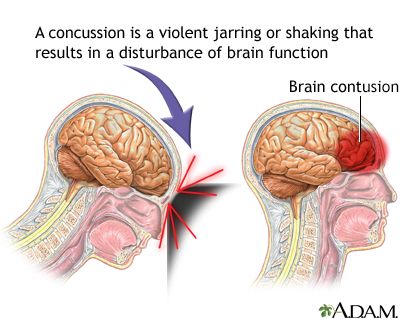
While traumatic brain injuries can lead to concussions, not all do.  Light blows to the head are typically not a concern and are common.  But when these blows become strong enough to damage the brain and alter brain function, they're referred to as concussions.

Complete recovery from a concussion depends on many things including the severity of your injury, your current health, and if you have recovered from a previous brain injury.

Chances are the increased awareness brought about by concussions in the NFL and combat sports has you worried about the long term effects of repeated blows to the head.  While most people who suffer from a sports-related concussion recover within 7-10 days, around 10% can experience symptoms beyond 10 weeks.  Some can experience symptoms for years afterwards. 

An issue that makes this worse is that sometimes the symptoms of a concussion are not obvious.  This is a major problem because suffering another blow to the head before the brain has fully recovered can lead to long-term problems and even death as increased swelling can cut off blood supply to the brain.


As you can see, it's important to make sure you heal properly from a concussion.  While some of the factors are out of your control, there are things you can do to speed up the process and make sure the damage heals completely.

So let's go over some tips on how to improve recovery from a concussion.  We'll go over some of the basics in the tips in this blog.  For a more detailed description of why each tip is important, take a look at this blog on the science behind concussions.
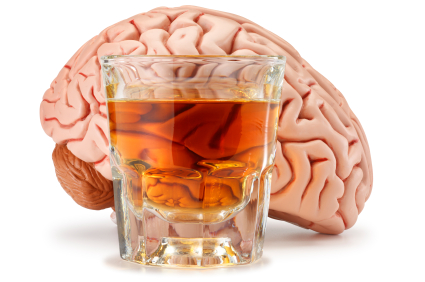


Tip 1: Avoid alcohol

This tip may seem like a no-brainer, but the importance of avoiding alcohol can't be overstated.  Even if you're feeling fine symptom-wise, alcohol can delay recovery from a concussion and prevent full recovery.

Another issue with drinking alcohol during recovery from a concussion is that it increases your risk for a second concussion.  It can do this by delaying recovery or by negatively affecting balance and coordination, which are already a problem for people recovering from a concussion.   In fact, the effects of alcohol are often amplified in people recovering from a concussion.

The main way that alcohol affects recovery from a concussion is through inflammation.  Alcohol increases inflammation throughout the body, something you'll want to avoid while recovering from a concussion.  Chronic inflammation causes immune cells in the brain to kill healthy brain cells and prevent damaged ones from healing.

Chronic traumatic encephalopathy(CTE) is the disease affecting former NFL players that has brought all of these concussion issues to light.  Alcohol abuse appears to be a major player in this disease in two ways.

As mentioned before, alcohol abuse delays recovery from concussion.  This disease is thought to be the consequence of repeated blows to the head.  These repeated concussions may lead to an accumulation of damage over the years that never heals with chronic alcohol use. 

One of the hallmark symptoms of CTE is changes in mood and personality.  Since the disease also lowers your inhibitions, it increases the likelihood that you drink, a double-edged sword.

Bottom line, don't drink alcohol while recovering from a concussion.  If  you choose to drink alcohol and have a history of concussions, do so in moderation and take other steps to prevent further damage.


Tip 2: Eat fish and other foods high in Omega 3 fatty acids

Omega 3 fatty acids are found in fatty fish, nuts, eggs, and pasture-raised animals.  Omega 3 fatty acids are important for proper brain function, but they also have very specific benefits for people recovering from a concussion.

DHA, one of the omega 3 fatty acids, is necessary for proper brain development and to maintain function throughout adulthood.  It's a major component of brain cells because it's necessary for the production of myelin, a coating that covers nerve cells to speed nerve transmission.  In fact, the brain contains the most DHA in the body.

DHA also has other positive effects in the brain.  It promotes neurogenesis, the formation of new neurons throughout life.  Neurogenesis is important for forming new memories and healing damage to the brain.

This is interesting because many people who do not fully recover from traumatic brain injury have impaired neurogenesis.  This can lead to mood problems which are helped with DHA.

One final benefit of omega 3 fatty acids is that they lower inflammation throughout the body.  They not only lower inflammation directly, they help reduce levels of lipopolysaccharide(LPS)LPS causes more inflammation and prevents recovery from concussion by causing more damage.

The bottom line here is to eat fish regularly, but don't overdo it.  Larger fish contain high levels of mercury which is toxic.  Eating smaller fish such as sardines or anchovies regularly can give you some Omega 3 fatty acids while limiting your exposure to mercury.

 

Tip 3: Eat lots of colorful fruits and vegetables

Fruits and vegetables have many components that can help you recover from a concussion.  Many polyphenols such as the curcumin found in turmeric, the sulforaphane found in broccoli and brussel sprouts, and the pterostlibene found in blueberries reduce inflammation AND promote neurogenesis at the same time.

These are just a few of the many polyphenols that can improve recovery from a concussion.  And the best part is, polyphenols are what give fruits and vegetables their color.  It's easy to identify vegetables that are high in polyphenols, they're the most colorful.

Fruits and vegetables are also very nutrient dense.  This means that they are rich in vitamins and minerals.  These vitamins and minerals are essential to heal damage to the brain.

Another component of fruits and vegetables that improves recovery from a concussion is fiber.  Fiber helps calm inflammation by reducing the amount of LPS that enters the bloodstream from the gut.  It also helps seal off the blood-brain barrier so that any LPS that enters the bloodstream can't access the brain.

When it comes to fruits and vegetables you should eat at least 5 different colors of fruits and vegetables a day.  It's also important to eat at least 6 cups of vegetables every day.  Get your veggies from a variety of categories including cruciferous vegetables, leafy greens, and root vegetables.


Tip 4: Make sure you get enough thiamine

Thiamine, also called vitamin B1, is necessary for proper brain function.  Thiamine is required for neurons to generate energy.  Not enough thiamine can kill neurons and cause high levels of inflammation.

Since thiamine is so crucial for the brain, most of the signs of thiamine deficiency are related to brain function.  This includes depression, confusion, poor memory, and balance/coordination problems.  These symptoms are also common when a concussion isn't healing properly.

While foods that are high in thiamine are important, supplements can be more effective because you can absorb them better.  Fat-soluble forms of thiamine such as sulbutiamine have been shown to create much higher levels of thiamine in the brain than the water soluble kinds found in multi-vitamins.


Tip 5: Get out of bed and exercise...gradually

Over the years, strict bed rest has been the go-to therapy for a concussion.  However, recent scientific evidence is showing that prolonged bed rest may actually delay recovery from a concussion.

A recent study found that student athletes who remained on bed rest for 2-5 days after a concussion reported more post-concussion symptoms than athletes who restarted their normal routine within 1-2 days.  The athletes on longer bed rest also reported that it took longer for their symptoms to go away.

Another study followed concussed athletes for 12 weeks.  One group just stretched while the other performed 20 minutes of aerobic exercise for 20 minutes a day, 6 days a week.  What makes this study cool is that they looked at brain activity in each of the 2 groups and compared it to people who did not experience a concussion.

The results of this study were incredible.  Athletes who performed aerobic exercise saw better improvements in brain activity than those who just stretched.  In fact, their brain activity patterns were not different from people who hadn't experienced a concussion.

Why would aerobic exercise improve recovery from a concussion?  It's because aerobic exercise increases neurogenesisAerobic exercise also has the added benefit of reducing chronic inflammation.

Unlike the other 4 tips that can be implemented immediately, exercise must be added gradually.  A good rule of thumb is to let your symptoms dictate when you begin aerobic exercise.   Your symptoms should also dictate the intensity of your exercise.

Start with walking and only progress to more intense aerobic exercise if you don't experience symptoms.  Symptoms to look for include headache, dizziness, or confusion.  Once symptoms allow, increase exercise intensity so that your heart rate is in the 60-75% of maximum heart rate range.  Stop exercise if symptoms worsen.

Conclusion

As we learn more about the effects of concussions, treatment options will improve.  Currently, the only treatment option is rest, observation, and pain relievers as needed.  Very little attention is given to lifestyle factors other than rest.

Diet and exercise are 2 lifestyle factors that can improve recovery from concussion.  Both factors improve recovery by reducing inflammation and increasing neurogenesis.

On the diet side of things it's important to avoid alcohol, eat fish, eat your fruits and veggies, and get enough thiamine to support brain recovery.  These 4 diet tips can be implemented immediately following a concussion since there is no risk.

Exercise, on the other hand, must be approached with more caution.  Full bed rest for a day or two following a concussion may be necessary if low level activities worsen symptoms.  You can begin walking as symptoms get better and add in more intense aerobic exercise as symptoms allow.

These 5 tips will improve recovery from a concussion.  When paired with monitoring by your healthcare professional, the risk to implementing these tips is negligible.   But, you should discuss these tips with your doctor before beginning.

Looking for more information on what you can do to improve recovery from a concussion?  We will be expanding these tips in the future.  Like us on facebook for updates on this article and future articles on the topic.

Friday, November 20, 2015

Conquering concussions: Optimizing recovery following traumatic brain injury


Concussion due to traumatic brain injury(TBI) is a relatively common occurrence that mostly happens to young men and children due to falls, motor vehicle accidents, or contact sports.  They are also common in battle exposed military personnel.  A concussion is defined as a traumatic brain injury that alters the way the brain functions.  One of the major problems with concussions is that they can have acute and long-term effects.  While the vast majority of concussions tend to be mild and people fully recover within 1 to 6 weeks, around 15% may experience persistent, long term effects on brain function.  These long term effects include headaches, mood and anxiety disorders, dizziness and motor problems, problems with memory, and more.  When someone experiences these symptoms for longer than six weeks, they are said to have post-concussion syndrome.  It is estimated that 5.3 million Americans are living with disability due to traumatic brain injury(1).

Persistent symptoms following a concussion are likely due to an impaired ability to heal the damage from the traumatic incident.  This can be due to the severity of the trauma as well as inter-individual variability in the ability to heal the damage.  Within the inter-individual variability aspect, we have genetic as well as environmental influences.  Since we have no control over genetic differences, it becomes important to look at environmental factors and how we can manipulate them. When we dig in to some of the physiological effects of traumatic brain injury, a few lifestyle factors stick out as potential environmental influences that can be manipulated successfully.

Traumatic brain injury and blood brain/intestinal barrier integrity

Within a few hours after a traumatic brain injury, integrity of the blood brain barrier is lost depending on multiple factors including the severity of the injury(2, 3, 4).  While this disruption is typically resolved within days to weeks, it can sometimes remain disrupted for months or even years after the injury(4).  The blood brain barrier functions to separate the circulation within the central nervous system from the general circulation.  Certain substances within the general circulation are necessary for optimal brain function while others are neurotoxic and must be kept out of the central nervous system.  The blood brain barrier functions to prevent neurotoxic substances from crossing in to the central nervous system and causing destruction of brain tissue.  Obviously a disrupted blood brain barrier is less than ideal when healing from traumatic brain injury, particularly if it remains disrupted for a long period of time.

While the damage related to traumatic brain injury is typically thought of as occurring solely in the brain, TBI also causes dysfunction of the gastrointestinal tract including intestinal barrier dysfunction and disturbed motility(5, 6).  This is likely due to the local effects of the traumatic brain injury causing autonomic dysregulation, potentially through the vagus nerve.  The vagus nerve links the brain and gut by providing a conduit through which the 2 organs can communicate.  Damage to the brain may derail this communication system and cause gastrointestinal dysfunction.  A study looking at the vagus nerve in mice found that vagus nerve stimulation attenuated the increase in intestinal permeability caused by traumatic brain injury(7).  

Adding another layer of complexity to the situation is that research has shown that bacteria found in the digestive tract that help regulate the permeability of the intestinal barrier also appear to regulate the blood brain barrier(8).  This suggests that one environmental influence that may dictate the ability to recover from TBI is the composition of bacteria in the gut.  This may not only have to do with regulating intestinal barrier integrity, it may have just as much to do with regulating blood brain barrier integrity through the vagus nerve.

Immunoexitotoxicity and recovery from traumatic brain injury

Intestinal barrier dysfunction may not seem like a big issue in recovering from traumatic brain injury, but it is probably the most important thing that needs to be addressed aside from avoiding a recurrent injury before the damage is repaired.  Intestinal permeability can prolong and even prevent recovery from traumatic brain injury as it causes an over-activation of the brain’s immune system that, when chronically active, is responsible for causing more damage than the actual injury itself, a process termed immunoexcitotoxicity(9).  If this process is allowed to continue, complete recovery is unlikely. 

The primary issue with intestinal permeability is that lipopolysaccharide(LPS), a component of the cell wall of gram-negative bacteria found in the digestive tract, is harmless in the digestive tract but toxic in the blood circulation.  If the intestinal barrier is compromised, LPS can leak from the digestive tract in to the circulation.  Furthermore, LPS can hitch a ride in to the lymphatic system on chylomicrons, the extent of which is determined by the amount and types of fat in the diet.  LPS causes excessive immune system activation throughout the body.  Compounding the issue is that TBI also causes permeability of the blood brain barrier, which should separate the circulation in the brain from that of the rest of the body.  This allows LPS and inflammatory cytokines that are in the general circulation to enter the central nervous system where they are neurotoxic. 

Glutamate, the most abundant neurotransmitter in the brain, has many important roles there.  However, it does not play well with LPS.  Too much glutamate can be toxic, but when subtoxic levels of glutamate are exposed to subtoxic levels of LPS or inflammatory cytokines, resident immune cells of the brain called microglia begin destroying neurons and secreting more glutamate causing a vicious cycle, the aforementioned immunoexcitotoxicity(9).  This process prevents optimal recovery from TBI, underscoring the importance of restoring intestinal barrier integrity.  Immunoexcitotoxicity is thought to underlie chronic traumatic encephalopathy, the degenerative neurological condition seen in retired NFL players as well as combat veterans and athletes.  It also plays a role in Alzheimer's disease which is why both CTE and Alzheimer's have essentially the same symptoms.

Neurogenesis and recovery from traumatic brain injury

During recovery from traumatic brain injury, and even throughout life, new neurons are created through a process known as neurogenesis.  This process promotes learning as well as healing from traumatic brain injury and is partially regulated by microglia.  When microglia are in their resting, ramified state they appear to be an integral player in promoting neurogenesis(10).  When microglia remain in a primed, activated state due to inflammation or LPS in the local environment, the research shows they inhibit neurogenesis and destroy healthy neurons(11, 12) while disrupting the blood brain barrier(13).  This same process occurs in the hippocampus during chronic intestinal inflammation(14) which both causes and is a consequence of a disrupted intestinal barrier.  This allows LPS to leak from a disrupted intestinal barrier in to the bloodstream and from the bloodstream across a disrupted blood brain barrier in to the central nervous system where it can interact with microglia.  The combination of impaired neurogenesis coupled with hyperactive microglia that destroy neurons is likely a significant factor in delayed healing from TBI.

The enteric nervous system

As mentioned above, stimulation of the vagus nerve can attenuate intestinal barrier dysfunction due to TBI.  Yoga, diaphragmatic breathing, meditation, and other relaxation techniques are all ways to stimulate the vagus nerve.  However, vagus nerve stimulation is not the only way to improve intestinal barrier function.  While the brain exerts a significant amount of influence on the function of the digestive tract, the digestive tract has its own nervous system, the enteric nervous system, which can function on its own without help from the brain.  Studies have shown that despite severing the vagus nerve, the enteric nervous system still functions via reflexive activity(15).  

The enteric nervous system appears to function as a back-up generator to the digestive system capable of holding intestinal barrier integrity while the brain heals from injury.  While the blunt force trauma that occurs during traumatic brain injury may disrupt the communication of the gut-brain axis, the enteric nervous system can maintain intestinal barrier integrity until the vagus nerve comes back online.  Unfortunately, the standard American diet is fairly devoid of the nutrients necessary to keep this generator going and an individual's diet prior to the traumatic brain injury is probably a significant factor in how likely that person is to fully recover from it.  This all comes back to the composition of bacteria in the gut which are, to a great degree, dictated by diet.  This does not mean all is lost as certain dietary, behavioral, and exercise interventions implemented after a traumatic brain injury can optimize recovery and potentially prevent chronic symptoms.

Functional goals in healing from traumatic brain in jury

The functional goals with diet after traumatic brain injury are to maintain intestinal barrier integrity to prevent LPS from entering the circulation and activating microglia while providing nutrients that give the brain what it needs to heal.  The great part about diet is that it is an intervention that can be implemented immediately.  In addition, relaxation methods such as yoga and meditation can be used to restore function of the vagus nerve and restore communication between the brain and gut.  Finally, and this may seem counterintuitive, but aerobic exercise can be initiated as symptoms allow.  While the standard of care for concussions has always been lots of bed rest, recent research is showing long term bed rest may not be optimal and is possibly destructive.

In healthy individuals, aerobic exercise has been shown to improve autonomic function(16, 17) and promote neurogenesis in the hippocampus(18).  A recent review of the literature cites ample evidence that aerobic exercise is a potent intervention for improving recovery from traumatic brain injury through improved autonomic function, enhanced neurogenesis, and both reduced inflammation and brain immunoexitotoxicity.  This means that we have direct control over improving intestinal barrier function and neurogenesis and, thus, may have significant control over recovery from TBI.  

Conclusion

In the initial stages of TBI, eating the proper diet will keep the back-up generator going while a combination of yoga or meditation and aerobic exercise, when tolerable, can help to expedite recovery by repairing the damage to the autonomic nervous and re-establishing the brain-gut connection by improving function of the vagus nerve.

Monday, October 28, 2013

Health Research Recap (10/21/2013-10/27/2013)

Alzheimer's/Brain

In Alzheimer's research, researchers found an association between poor sleep duration/quality and an increase in beta-amyloid plaque burden in subjects with a mean age of 76.

In a study on mice, researchers found a possible link between why quality sleep may improve brain function and why poor sleep may increase the amount of plaques in Alzheimer's patients.  The study found that, in sleeping mice, the clean up system of the brain went in to overdrive and removed toxins that are a natural byproduct of brain cell use, including beta amyloid plaque.  During sleep, the cells even shrink to make it easier to clean up the spaces between cells. 

Another link between sleep quality and brain function may be mediated through the immune system.  Researchers restricted the sleep of young healthy men to 4 hours for 5 nights and measured gene expression.  They found an increase in the activity of genes associated with producing antigens and inflammation as well as a host of other immune system related genes.

Another study found a link between high blood glucose and memory function.  What is interesting about this study is that people with blood glucose levels that would be considered within the normal range but at the higher end were associated with poorer performance on a memory test as well as reduced size of the hippocampus.  This confirms a previous study that also found a relationship between high blood glucose and hippocampal volume.  The hippocampus plays a crucial role in memory, and this research can link back to the studies on Alzheimer's and sleep as poor sleep duration and quality are both linked to poor blood glucose control.


Also in Alzheimer's news, researchers found a link between a gene associated with Alzheimer's and an "anti-aging" gene targeted by reseveratrol, the powerful antioxidant found in red wine. While this doesn't mean that drinking tons of red wine or taking resveratrol will prevent Alzheimer's, it gives us a look at a potentially interesting mechanism of the disease.

In more brain news, researchers found an association between teens who regularly exercised moderately to vigorously and better brain performance.  Researchers in the UK used an accelerometer to measure daily movement characteristics and compared those to performance in Math, Science, and English.  The effect of regular intense exercise at age 11 was associated with better performance in all 3 subjects.  At age 13, 15, and 16, academic performance was associated with the amount of intense exercise the child had at age 11.  There was a dose-response meaning that the more intense exercise a child partook in, the greater the benefits.  The benefit appeared to be boost girls science performance the most.

Obesity

Here's another good reason to dine out with people with good dietary habits.  A study found that people tended to order the same food choices at restaurants when they state their choices out loud.  The study used 3 different menu types with differing types of information (No info, calorie counts, calorie counts and a traffic light green:400cals or less, yellow:401-800 cals, red:>800 cals).  The study found that eaters were happier when they ate the same foods as others in their group, regardless of their initial percepton of the food item.  Previous studies have shown that when people don't order aloud, they just get what they want.

In obesity news, researchers found a transgenerational effect of DDT exposure to mice and obesity in mice 3 generations later.  Researchers injected pregnant rats with DDT and followed them for multiple generations.  While the pregnant rat, her offspring, and her offspring's offspring showed no signs of obesity.  However, the more than half of the great grandchildren of the exposed mouse were obese.  Michael Skinner, the lead researcher, has found similar effects in other environmental pollutants including other pesticides and BPA, but the effect of DDT was far greater.  The effects are due to epigenetics, the silencing and activating of certain genes due to enviromental factors.  Often times, these epigenetic changes can be forced on future generations through lifestyle choices or exposures that occur in older generations long before the affected are born.

The Gut/Bacteria

In gut news, researchers found that obesity may increase the risk of C. Difficile infection.  This study backs up an earlier study this year that found the same relationship.  While this relationship is very interesting, what is more interesting is why this study came about.  The amount of C. Difficile infections has more than doubled from 139,000 to 336,600 over the past 10 years, and physicians are seeing people with C. Difficile infection that do not have the traditional risk factors (being in a hospital, lowered immunity, antiobiotic exposure).  What may be the culprit?  A change in gut bugs.  Both obesity and C. Difficile infection are related to an increased Firmicutes/Bacteroidetes ratio.

Finally, in the "Gross, you shoulda brushed" category, researchers found that the bacteria in people's mouth create a fingerprint that could predict a person's ethnicity.  In addition, no 2 people had the same bacterial make up.  What is even more interesting is that, despite common nutritional and environmental exposure over many generations, African Americans and white Americans had different oral bacteria "fingerprints".

Thursday, October 17, 2013

The walking dead: Is American agricultural policy creating a legion of zombies that will eventually break the bank?

When most people hear the term "the walking dead", it conjures up the image of zombies running amuck in a post-apocalyptic world.  Legions of the brain dead undead doing the Frankenstein and looking to devour the brains of any live person within their grasp.  However, many of us know a different type of walking dead, one whose transition is far slower.  It may begin in their late 40s or early 50s as they lose track of where they put things or misremember things that have happened in their past.  Slowly but surely the zombification progresses until they no longer remember friends and family, eventually losing the ability to express themselves, understand a conversation, or even respond to the environment.  The walking dead I am referring to are people going through dementia and/or Alzheimer's disease.

While there is an enormous emotional price to having a loved one with dementia or Alzhemier's disease that can't be quantified, there is also an enormous price tag to go along with it.  In 2013 alone, the direct costs of Alzheimer's disease in the US was $203 billion and is expected to balloon up to $1.2 trillion per year by 2050(1).  Not included in this number is the unpaid care that family give to people with Alzheimer's disease, estimated to be $216 billion in 2012. 

Many people associate dementia and Alzheimer's as being a normal part of aging.  While it is true that Alzheimer's progresses with age, it is certainly not a normal part of aging.  With Alzheimer's comes structural changes within the brain, an accumulation of beta amyloid plaques and tangles in a protein called tau that interfere with normal brain function.  While these plaques and tangles tend to accumulate in everyone as they age, they accumulate to a far greater extent and in a consistent pattern in people with Alzheimer's disease.  Furthermore, quite a bit of research has recently pointed to dementia and Alzheimer's disease as autoimmune diseases.  This is evidenced by high levels of cells of the immune system called immunoglobulins(2) and other immune system proteins(3) in the brains of people with varying degrees of dementia, including Alzheimer's disease.

The brain is meant to be a sanctuary from immune activity.  The blood brain barrier prevents large particles such as bacteria and antibodies from entering the brain and causing problems.  Within the blood brain barrier are proteins called tight junctions that seal off the area and help regulate what can or cannot enter the brain.  These tight junctions are dissolved by a protein called zonulin(4, 5).  What makes this interesting is the fact that both the lungs and the gut also contain tight junctions, and zonulin has the same effect on the tight junctions in those tissues as well.  Intestinal permeability occurs when the tight junctions between cells of the intestine fail to prevent large particles from entering the blodstream.  It is believed that this is due to zonulin dissolving the tight junction.  Making this an even more intriguing relationship is that intestinal permeability appears to be a necessary component of many, if not most, autoimmune diseases(6, 7).

A recent study comparing the postmortem brains of people with Alzheimer's disease to healthy controls found the presence of an oral bacteria known to cause periodontal disease in 4 out of the 10 brains of people with Alzheimer's disease and none in the controls(8).  Many look at this as evidence of there being a link between periodontal disease and Alzheimer's disease, but if it were a direct link all of the samples of brain tissue from people with Alzheimer's would have it.  However, in a person with a properly working blood brain barrier, this bacteria should not have access to the brain.  This study supports the notion that a poorly functioning blood brain barrier is a significant causative factor in Alzheimer's disease.  Could this be the result of zonulin dissolving the tight junctions?  We don't know for sure, but there is ample reason to suggest so.

Many people are aware of gluten.  All you have to do is walk in to any grocery store and you get bombarded with gluten free this, or gluten free that.  While many people go gluten free, many have no idea what gluten is or why they are going gluten free.  One of the few groups who do know what gluten is are people with celiac disease.  Celiac disease is an autoimmune disorder that affects the intestinal lining.  When someone with celiac disease eats gluten or any other grain containing gliadin, damage occurs to their intestinal tract that causes pain and discomfort as well as malabsorption of nutrients.  This can eventually put them in a malnourished state.  Part of this response is due to the release of zonulin, which occurs when gliadin interacts with the intestinal wall and causes intestinal permeability..

However, in a study looking at the intestinal tissue of people with celiac disease and people without celiac disease, zonulin appears to be released in both scenarios, albeit for 30 times longer in people with celiac disease(9).  It appears that gut bacteria may have a big role in this as people with celiac disease have different gut bacteria than healthy people, and gut bacteria heal the tight junctions when they ferment soluble fiber and resistant starch in to butyric acid.  It is important to point out that these tissue samples were removed from people and then treated with zonulin, and were not tested in a living person.

So we have a potential mechanism for Alzheimer's disease where gluten is ingested and interacts with the cells of the intestine causing zonulin release that dissolves the tight junctions there as well as in the blood brain barrier.  This allows particles, including inflammatory ones, that shouldn't be in the brain to cross the blood brain barrier and react with structures within the brain.  This doesn't necessarily mean that anyone who experiences intestinal permeability will experience Alzheimer's disease, there are far too many factors to take in to consideration.  However, I tend to think that people can realize that the blood brain barrier is there for a reason.  Compromising the blood brain barrier is a bad idea whether you are genetically prone to Alzheimer's disease or not.  One of the problems is you wouldn't know if this was happening or not, there are no pain receptors in the brain so inflammation doesn't typically show up as pain, it shows up slowly as brain dysfunction over time.  Furthermore, inflammation compromises the blood brain barrier further.

So what role does American agricultural policy play in this mess?  It's very simple.  Every year the federal government gives subsidies to "farmers" to grow wheat.  I put farmers in quotation marks because most of the people receiving these subsidies are not family farmers, they are large corporations that do farming.  The USDA, a lobbying group for these corporate farmers, lobbies the federal government to get these subsidies and then distributes the money to farmers.  From 1995-2012, farm subsidies for wheat alone were $35.5 billion(10).  This is the reason it's cheaper to buy bread than it is to buy fruits and vegetables.  Most people assume it's because bread is cheaper to grow, but this is only the case if you are subsidizing it's production.

This seems innocent enough, the purpose of most lobbying groups is to lobby the federal government for the organizations they represent.  However, the USDA has another role.  Many of you are familiar with the Food Pyramid/MyPlate which dictates which foods you should be eating regularly.  The problem is that it's not written by a bunch of doctors commissioned to make Americans healthy.  It's written by the USDA, a trade group that helps determine which foods can be easily produced and which ones are most profitable.  There was no grand experiment decades ago to help determine the foods that are fit for human consumption and then translated in to a set of ground rules for healthy human eating.  The USDA stated what could be made and that became the contents of the Food Pyramid, which most people assume are a set of healthy eating rules.  To make maters worse, physicians and nutritionists in the healthcare industry push these rules as if that is exactly what they are.

The problem doesn't end there.  As many of you know, much of the nutritional research to date has shown grains, especially wheat, to be a healthy food option that leads to positive health outcomes.  However, this research is tainted because they essentially told everyone that grains are a healthy food choice without having the research to back it up.  If you tell a group of people that a certain food product is healthy, which people do you think are going to consume that product?  Typically, you are going to get people who are interested in being healthy.  This means they are interested in doing other healthy things like exercising, not smoking, getting quality sleep, and a host of other healthy lifestyle choices.  This throws off the research because on one side you have people who are doing everything right and on the other side you have people doing everything wrong.  If the side doing everything right is told that they should be eating grains and they do, it's not scientifically valid to compare the 2 groups.

As you can see, there is much to be frustrated about with the way we determine which foods people should eat.  When you make foods cheap, you make them more appealing to people and increase the likelihood that people will consume them.  This drives people to make the wrong choices, especially poor people who are on a limited income.  What people don't realize is that these foods really aren't cheap when you factor in the tax dollars needed to subsidize them and the potential health ramifications they can cause before they are adequately tested.  Grains, especially wheat, may be costing us money up front in the form of tax dollars as well as on the back end with the emotional and financial costs associated with Alzheimer's disease.  Many people will read this statement and say that there is no research that supports this notion.  However, just because there is no research directly linking the consumption of grains with Alzheimer's disease doesn't mean it's not true.  At one time the "research" pointed to the Earth being flat, that doesn't mean it was flat until the research showed it to be round.

Monday, September 23, 2013

Book review: Grain Brain

A few years back I read the book Power Up Your Brain by Dr. David Perlmutter.  I was amazed at the content of that book and to say it had a major impact on the way I view human health is an understatement.  One of the best things about the book is that Dr. Perlmutter has an incredible way of breaking down complex topics in to very digestible information, even for the layperson.  His book was my initial introduction to epigenetics and he broke it down very well.  I didn't, however, agree with the consumption of grains recommended in the book.  To be fair, his program only recommended one serving per day, but even that is detrimental in my opinion.  As is the case with all great thinkers and scientists, Dr. Perlmutter has both looked at the data and used his own clinical experience to modify his program...enter Grain Brain.

Before we discuss Grain Brain, I think it's important to look at Dr. Perlmutter's credentials.  Dr. Perlmutter is a board certified neurologist and Fellow of the American College of Nutrition.  He currently sees patients at his practice in Naples, Florida and is an Associate Professor at the University of Miami School of Medicine.

In Grain Brain, Dr. Perlmutter makes the case that consumption of grains and a high carbohydrate diet are detrimental to brain health and seem to be a primary cause for a number of neurological problems.  He goes over the effects of gluten, high blood glucose, and insulin levels on brain function thoroughly.  I think most people buy in to these concepts save for gluten, but one concept they will not buy in to is the health promoting effects of cholesterol on the brain and how detrimental it is to try and lower your cholesterol.   He covers this in detail, and it was something he covered in depth in Power Up Your Brain as well.

The amount of research he goes over in Grain Brain is impressive.  While a lot of that data is epidemiological, meaning you can't use it to draw conclusions, he uses the research in the way that it's meant to be used.  He uses the data to identify the important relationships and provides the mechanisms by which the relationships may exist.  It doesn't hurt that his clinical experience confirms much of his reasoning, which he points out in a few case studies throughout the book.  Let's look at some of the general mechanisms he discusses in Grain Brain.

Dr. Perlmutter fingers diet as the primary cause of more or less all of the common brain diseases we are seeing today including Alzhimer's disease, Parkinson's disease, anxiety, depression, schizophrenia and more..  He describes how a high carbohydrate diet, gluten consumption, and the avoidance of dietary cholesterol are related to brain disease in great detail.  The two primary mechanisms by which diet can negatively affect brain health are inflammation and free radical production.  If you don't have a thorough understanding of how these processes are interrelated, this book will give it to you.  The research even points to blood glucose levels in the normal range as being detrimental to brain health and he describes why very well.  Let's just say that by the time you have diabetes or pre-diabetes, you have done significant damage already.

While most of the book is related to brain health, he discusses several instances where patients have resolved terrible neurological problems by removing gluten from their diet.  The science has identified the vagus nerve as the conduit through which the bacteria in your gut communicate with your brain(1).  If pathogenic bacteria are able to hijack the vagus nerve, bad neurological problems are sure to ensue.  The vagus nerve helps control heart rate, blood pressure, and other aspects of the autonomic nervous system, specifically by calming the nervous system down, so to speak.

One thing I find very refreshing about Grain Brain is that Dr. Perlmutter squashes the notion that you can be overweight and healthy at the same time.  While it is possible to be overweight and have numbers that are perfectly fine on a comprehensive metabolic panel, the effects on the brain are noticeable from the get go.  Here is a quote directly from Grain Brain:

"In a joint research project between UCLA and the University of Pittsburgh, neuroscientists examined brain images of ninety-four people in their seventies who had participated in an earlier study of cardiovascular health and cognition...What these researchers found was that the brains of obese people-defined by having a body mass index above 30-looked sixteen years older than their healthy counterparts of normal weight.  And those who were overweight-defined by having a body mass index between 25 and 30-looked eight years older than their leaner counterparts."

While this quote is pretty shocking, many of the findings in other studies he references match or surpass it.  This is not to say that this damage is irreversible, it is completely reversible with the proper dietary and lifestyle modifications which are included in the book as an easy to follow program.

The discussion on cholesterol in Grain Brain is fantastic and should be required reading.  One thing Dr. Perlmutter does in Grain Brain that he didn't in Power Up Your Brain is take on statin drugs.  Given his discussion on how important cholesterol is for the brain, his take makes sense.  However, he also discusses how statin drugs, although anti-inflammatory, can actually increase inflammation and free radical production.

When I started reading Grain Brain and up until about halfway through I did not buy in to his recommended carbohydrate consumption.  At this point I still think his recommendations on carbohydrates are too low.  His description of how glucose enters the cell is pretty simplistic and does not take in to consideration that insulin is only necessary for glucose to enter cells when at rest.  However, as I read on I began to buy in a little more.  When the discussion in the book began I was adamant that he was wrong, but after providing his case I'm not so sure.  If you are trying to mitigate the risk of having elevated blood glucose, he may be spot on.  At this point, however, my A1c and fasting blood glucose levels are in line with his recommendations.  Since I have not had my fasting insulin levels checked, which he recommends, there is the potential that I am wrong.

It's funny, I really liked Power Up Your Brain.  I read it as I was beginning my shift to a more Paleo way of life.  What drew me to the Paleo Diet is the evolutionary approach to health.  Not the mistaken notion that we are not evolved to eat certain things so much as the way we evolved has a dramatic impact on what is optimal for human health today.  Dr. Perlmutter uses the same approach in Grain Brain and you don't have any of the "gotcha" scientific misrepresentations that many make about Paleo.  Most of these issues were settled a few years ago but new books by hacks seem to want to rehash these issues.  It's great to have people like Dr. Perlmutter on board because he is obviously a better source of information than the guy your Uncle Eddie knows who heard from another guy that gluten is only bad for celiacs.  He has the scientific references and clinical experience to back up his assertions and I am thankful he invests his time in writing books to help people that aren't his patients.

The grand question is will Grain Brain make a difference?  I'm a bit cynical about how big of an impact this will have.  It is estimated that 90% of Americans are for the labeling of GMOs, yet somehow California is unable to pass a bill requiring the labeling of GMOs.  This is because corporations have essentially unlimited funds to mislead a populace that is uninformed at best and stupid at worst.  I bought and read this book on the day it was released and I will buy a few more copies for people I want to read it to help push it up the NY Times best seller list.  If it gets to the top, the discussion on cholesterol will at least annoy some vegans I know.

Overall I give Grain Brain a 9 out of 10.  I still think the discussion on carbohydrate metabolism is off and potatoes and low fructose fruits are probably perfectly fine to consume within a sane level of total daily carbohydrates (150g or so).  Everything else in the book is great and I think most people would be healthier and happier trying his 4 week program.

Thursday, February 14, 2013

Feel fat, depressed and unhealthy? Get off your tookus!

If you're like most people, you spend your entire day at a desk and 3-4 hours a week at a gym trying to combat the negative effects associated with sitting at that desk.  As time has gone on, you've probably also noticed a reduced ability to maintain your body weight as well as increased risk markers for cardiovascular disease and other chronic diseases.  Even when you double up the amount of time you exercise per week for your New Years' resolution your results get worse each year, leading to year over year increases in fat mass.  The reason this happens is not because you don't exercise enough, it's because you spend too much time sitting.  Sedentary behavior leads to modified genetic expression that promotes fat gain and cardiovascular disease, and no amount of exercise at a gym will prevent that.  When you look at the grand scheme of things, even if you exercise intensely for 16 hours a week that still leaves 152 hours per week where the wrong genes are turned on.  Don't believe it?  Let's take a look at some of the research.

High levels of sedentary behavior are associated with the metabolic syndrome, independent of other factors related to the metabolic syndrome including moderate to vigorous physical activity(Alcohol intake, smoking status, age, gender, diabetes and heart disease)(1, 2).  This means that getting physical activity via exercise did not compensate for the amount of time spent being sedentary.  The amount of sedentary time also has a strong positive relationship with triglyceride levels as well as waist circumference and waist to hip ratio.  High levels of sedentary time also lead to higher circulating levels of insulin(3, 4, 5, 6, 7, 8), impaired glucose clearance(3, 7, 8)  and impaired fatty acid metabolism(5, 7, 8).  While a couple of these studies were done with people on multiple days of bed rest and therefore not directly comparable to people sitting at a desk day in and day out, most of these changes with insulin action and glucose appear to be a result of changes in localized gene expression due to a lack of muscular contraction(7).  In fact, as discussed in Part 2a of my 3 part series "Myths, Metabolism, and Appetite" (Part 2a), it may actually be whether or not the leg is loaded, regardless of muscular contraction.  Unloading one leg while still allowing movement of that leg for 48 hours leads to altered genetic expression that increases protein breakdown and anti-oxidant pathways (Indicating increased oxidative stress) while reducing mitochondrial metabolism with no change in gene expression in the other leg(9).  This reduction is mitochondrial metabolism is probably the mechanism by which fatty acid metabolism is reduced during sedentary periods.  These changes persisted even after 24 hours of reloading the leg.

When we look at who is most affected negatively by sedentary behavior from an insulin sensitivity perspective, it appears that healthy people are more negatively impacted than people prone to Type 2 Diabetes (T2D).  In a study that looked at bed rest and changes in insulin sensitivity with healthy people as well as people with first degree relatives with T2D (FDR)and those with low birth weight, two risk factors for T2D, the healthy subjects experienced a greater drop in insulin sensitivity (5).  The authors hypothesize that this effect is due to the other two groups already having some degree of insulin resistance. In another study comparing insulin sensitivity changes in healthy subjects to FDR, whole body insulin sensitivity declined in both groups but hepatic (Liver) insulin sensitivity declined only in the FDR group.  This is interesting because as discussed in "Myths, Metabolism, and Appetite", people who are prone to T2D and FDR of T2D have fewer type I fibers and a higher proportion of type IIx muscle fibers.  This is, in part, a gene environment interaction.

While the more oxidative (Fat burning) type I fibers have not been shown to convert to other fiber types, the more glycolytic (Glucose burning) type IIa and IIx fibers tend to convert back and forth based on recruitment of said fibers.  Lack of use causes IIa fibers to convert to IIx fibers which are more insulin resistant while regular recruitment of IIx fibers causes them to convert to IIa fibers.  In people with a higher percentage of type II vs. type I muscle fiber types that also do not recruit these fibers regularly, most will become insulin resistant as more of their musculature converts to the insulin resistant type IIx fibers.  People with this genotype probably have to participate in regular strength training to recruit the insulin resistant IIx fibers enough so that they convert to the less insulin resistant IIa fibers, particularly if they intend to consume a high carbohydrate diet.  Coincidentally, converting IIx fibers to IIa fibers allows these people to store more muscle glycogen.  Emptying out these glycogen stores with regular, intense strength training will provide a larger storage compartment for ingested carbohydrate and delay hepatic insulin resistance.  Ironically enough, people with this genotype tend to be the better power sport athletes so it seems that modern life is just not compatible with this genotype.  My guess is they would also have been the best hunters which could indicate why such a high percentage of the population is prone to T2D from an evolutionary perspective.

Another interesting aspect of sedentary behavior is it's effects on lipoprotein lipase(LPL) activity.  LPL is an enzyme responsible for triglyceride breakdown.  Reduced LPL activity leads to higher blood triglycerides via a reduced ability to metabolize fat.  Obviously conditions that lead to a reduction in LPL activity are not ideal, especially if one of your goals is to reduce body fat.  Sedentary behavior has been shown to dramatically lower LPL activity (6, 7) in the muscles of the leg and reducing sedentary behavior has been shown to have a greater effect on increasing LPL activity than does adding vigorous physical activity (7).  This increase in LPL activity makes sense because the muscle fiber type associated with physical activity of lower intensities is the type I fibers that tend to rely more on fat as a substrate.  As the intensity of your exercise increases, so does the utilization of glucose as fuel to power the type II fiber types during that activity.  During both active and passive recovery there appears to be a switch to the type I fibers and a greater reliance on fat as fuel, perhaps to spare glucose for future intense activity.

Other genes and pathways associated with health are positively affected by breaking up periods of inactivity.  One study identified 75 different genes differentially expressed during periods of inactivity vs. periods of activity used to break up inactive periods (8).  Many of these genes are involved in processes that are known risk factors for cardiovascular disease.  Breaking up periods of inactivity with periods of physical activity for 2 minutes every 20 minutes positively affected the expression of genes associated with carbohydrate metabolism, antioxidant pathways and anti-inflammatory pathways.  Another study found breaking up periods of inactivity improved postprandial insulin and glucose concentrations when compared to a completely sedentary condition(9).  While we have focused much of our attention on the localized effect of sedentary behavior on muscles and to a lesser extent the liver, there also appears to be a significant negative impact on the brain.

Increased sympathetic nervous system activity is a widely known symptom of obesity and T2D.  The autonomic nervous system is in charge of regulating mostly involuntary processes and has two branches.  The parasympathetic branch is responsible for rest and digest while the sympathetic nervous system is responsible for the fight or flight response.  People with increased sympathetic nervous system activity have a problem getting out of stress mode, in other words they are in a constant state of stress.  Research indicates that this increased sympathetic activity may be mediated by dysfunction in a part of the brain called the rostral ventrolateral medulla (RVLM)(10).  The RVLM is the primary part of the brain involved in regulating sympathetic nervous system activity.  Physical inactivity may have wide-ranging negative effects on the RVLM and this could explain the detrimental effects of sedentary behavior on measures of cardiovascular disease regulated by the autonomic nervous system such as hypertension.  It is not known at this point if the difference between sedentary and active people is due to a negative effect of being sedentary, a positive effect of being active, or a combined effect of the two.

As you can see, being in a seated position for prolonged periods is a significant factor in poor health and an inability to metabolize fat.  While insulin sensitivity and blood glucose utilization are two big factors impacting both, these are not the only considerations.  The data suggests that sitting for long periods of time is terrible for your health and no amount of exercise at the gym can attenuate the bad effects of sitting.  These effects may expand beyond the physical changes happening in the muscles and more than likely has deleterious effects on the brain.


EDIT: After I wrote this I found a new randomized clinical trial that looked at 3 groups (sedentary, sedentary+1 hour of intense exercise, and a group that spent half the time being sedentary and the other half standing or doing low intensity activity).  Guess who "won".  :)

Check it out.

http://www.plosone.org/article/info%3Adoi%2F10.1371%2Fjournal.pone.0055542