As many of you current moms may know, losing the extra weight you put on during pregnancy is no easy task. For the most part, the assumption has always been that this is due to hormonal changes that follow after pregnancy. While that is likely a big piece of the puzzle, there is another variable lurking that could play as big of a role, if not a bigger, in your fat loss troubles: Your gut bacteria.
In a study published in Cell back in 2012, researchers took a good luck at how the microbiome changed for expectant human mothers throughout pregnancy. The authors found that a woman's microbiome changes significantly from the first trimester to the third and that, in the third, gut bacteria changes similar to those seen in obesity change the metabolism of the pregnant mother(1). These changes lead to increased inflammation, insulin resistance, and hyperglycemia. When the babies had their microbiome tested, it more closely resembled
the mother's during the first trimester and became more similar to the
mothers as the children aged. Finally the microbiome of women in their first or third trimester was given to germ free mice. The mice given the third trimester microbiome gained significantly more weight than germ free mice given the microbiome from the women in their first trimester, and the the mice given the third trimester microbiome had the same metabolic changes associated with obesity.
One of the more interesting aspects of this study is that the changes in the microbiome didn't really correlate with the mother's diet. This supports the notion that there is an evolutionary advantage for this change and that the mother's physiology is likely impacting this change in one way or another, not her diet. Another interesting aspect of this study is that it sort of implicates that this microbial change, which is highly advantageous in pregnancy to conserve energy for the baby, may be a significant contributor to the obesity epidemic in all humans. Since a child's microbiome most closely resembles their mother's at the first trimester and becomes more similar as they age, it is unlikely that a child gets any significant microbial transfer from their father outside of the environment they share, which is also the same as the mother's.
Despite their being many similarities between the third trimester and obese microbiomes, including decreased diversity, some of the microbial changes seen in the third trimester of pregnancy diverge from the obese microbiome. The obese microbiome sees a decrease in Bacteroidetes and an increase is Firmicutes which leads to increased sugar absorption while the third trimester microbiome sees no such change. This change is primarily driven by prolonged excess calorie intake. Could excess calorie intake from the third trimester through the first year or so of a child's life help promote or reinforce this this change in the mother? It's likely, but that wouldn't necessarily mean that this change is required. Insulin resistance blocks fat burning so any metabolic change that induces insulin resistance will reduce a person's ability to burn fat.
So now that we have an understanding about what the study shows, how does this help us? Hormonal changes should not be your only concern and there is the potential that this weight doesn't need to be so difficult to lose. Since there is likely significant crosstalk between the hormonal and microbial systems, eating a diet that promotes a healthy and diverse microbiome should put you in the best position to lose the weight when these two systems will allow it. This includes ample amounts of fiber from fruits and vegetables to help control the inflammation associated with the third trimester microbiome as well as a diverse diet to promote microbial diversity. This is likely the diet that new human mothers ate for hundreds of thousands of years, and it is likely the diet that will provide the quickest, smoothest transmission back to a more healthy microbiome.
Depending on your level of insulin resistance, it may be a good idea to reduce carbohydrate intake for a little while until you restore proper blood glucose control. Finally, if there is ever a good time to make sure you're not stocking up on excess calories and scarfing down Ho Hos, the period right after you give birth is that time. Even if you're breastfeeding, there really isn't a need to increase your calorie intake. Once delivered, the nutritional demands of the baby are met through the milk, but since the baby is no longer inside of you there is no need to increase caloric intake beyond what you did for your third trimester.
Showing posts with label Fat Loss. Show all posts
Showing posts with label Fat Loss. Show all posts
Thursday, July 10, 2014
Monday, March 24, 2014
Prolonged sitting may actually cause your fat cells to expand...mechanically
We all know that people need to sit down less and move around more. When most people think about the reason why sitting all day will cause their butt to get bigger, they break it down to burning too few calories and taking in too many. There are actually quite a few reasons why this happens, many that have to do with genes. Researchers just found a new one that may seem a little cooky.
By analyzing the way cells respond to forces applied to them, researchers were able to determine that when fat cells are exposed to chronic pressure, they begin to accumulate lipid droplets at an accelerated rate. In layman's terms, this means that sitting on your butt all day long will cause the fat cells located there to grow bigger due the weight you are putting on them, not just because you are eating more calories than you are burning. This is in direct contrast to the effect sitting has on muscle and bone cells, which causes a reduction in those cells.
Other environmental factors are at play here. In this blog I discuss how prolonged periods of sedentary behavior create environmental changes within the body that cause your cells to change in a way that promotes higher blood glucose, triglycerides, inflammation, and other changes that are associated with obesity. As you can see, people become obese for many reasons, not just because they eat more calories than they burn. They are promoting an environment that causes their cells to respond in a way that makes that person obese. Energy balance certainly has a place at the table in this discussion, but it doesn't have the only place. Looks like we can add a place for prolonged physical loading at the table now too.
By analyzing the way cells respond to forces applied to them, researchers were able to determine that when fat cells are exposed to chronic pressure, they begin to accumulate lipid droplets at an accelerated rate. In layman's terms, this means that sitting on your butt all day long will cause the fat cells located there to grow bigger due the weight you are putting on them, not just because you are eating more calories than you are burning. This is in direct contrast to the effect sitting has on muscle and bone cells, which causes a reduction in those cells.
Other environmental factors are at play here. In this blog I discuss how prolonged periods of sedentary behavior create environmental changes within the body that cause your cells to change in a way that promotes higher blood glucose, triglycerides, inflammation, and other changes that are associated with obesity. As you can see, people become obese for many reasons, not just because they eat more calories than they burn. They are promoting an environment that causes their cells to respond in a way that makes that person obese. Energy balance certainly has a place at the table in this discussion, but it doesn't have the only place. Looks like we can add a place for prolonged physical loading at the table now too.

Thursday, September 19, 2013
Why counting calories doesn't work
The food issue of Scientific American came out yesterday and they have a pretty cool spread on how and why counting calories doesn't work. Below is a video going over some of the very basic science.
Why Calorie Counts are Wrong
As a strength and wellness coach I have seen the argument, time and time again, that in order to lose weight people need to eat less and exercise more. This quantitative approach fails on so many levels that I thought it prudent to write a blog article on why it fails. Before we delve in to the specific reasons why, I think it's important to first set down a framework for how the human body works. From there I will go over why counting calories doesn't work and what you should focus on to lose weight effectively.
We do not need to discuss the biology of this in great depth to grasp a very simple concept. What causes the secretion of hormones is genes. In fact, every biological process occurs via genes. A perfect example is alcohol. In order to make alcohol you need water, sugar, and yeast. The water is the medium in which the yeast convert sugar in to alcohol. The yeast do this because they contain genes that direct the processes that cause the fermentation of sugar in to alcohol and water is required for this process. If the genes weren't there, the yeast would do nothing. If the water and sugar weren't there, the genes would do nothing. If you put the yeast in a pail of gasoline and oil it would do nothing. Genes are a set of instruction for what an organism will do under certain environmental conditions, or signals. If the proper signals are not sent to the genes, they do nothing.
In much the same way, you burn fat under the proper environmental signals. This is largely dictated by the hormonal environment within your body. Making it an even more complex situation, we burn fat and glucose through separate, intertwined processes. At no time are you ever burning 100% fat or 100% carbohydrate. Even if you ate no carbohydrates, your body can still make glucose which is how carbohdyrates enter the glycolytic(carbohydrate burning) energy systems anyway. If you ate no fat you would simply use body fat to fuel fat dependent energy systems.
The energy system that is predominantly used is largely dependent on the environmental signals you send, which are dictated by lifestyle factors including sleep, stress, exercise, diet, and how each affects your hormonal profile. Ignore these factors and not only will you not burn fat, you will set yourself up for failure by producing a hormonal environment primed to drive your appetite through the roof and store as much of the energy you consume as possible. So while you are essentially a machine, you are far too complex of a machine to be broken down in to a simple, archaic energy in/energy out system.
A good analogy for this is a hybrid car. The calories in vs calories out mentality is that if the car won't move, all you need to do is put more fuel in to it, regardless of type. However, if the car won't move because it is out of gasoline, you cannot pour electricity in to the gasoline motor because it cannot use electricity as it's energy source.
Removing these foods for an extended period of time not only reduces your craving for them, it helps put you in a better hormonal environment to burn fat. Frequent consumption of these foods wrecks your metabolism by negatively affecting your cells' sensitivity to insulin and leptin, two very important hormones. If it were simply a matter of calories this shouldn't be an issue, but it's a big one. It's also why once you pop you can't stop and the primary reason you can't eat only one.
If you buy in to the importance of genes for human health, it isn't too far of a stretch to realize that our gut bacteria should be a main concern. These bacteria help us in many ways by helping train and control the immune system, manufacturing nutrients, transporting ions, helping heal intestinal damage, and this is merely the tip of the iceberg. There also appears to be a line of communication between the brain and the gut. This is a 2 way line of communication that appears to be through the vagus nerve(2), a part of the autonomic nervous system which regulates minor things like respiration, heart rate, and blood pressure.
Changes in gut bacteria have been attributed to so many diseases that one may be suspicious of all the things healing the gut could potentially help. People with autism, adhd, anxiety/depression, Type 2 diabetes, heart disease, you name it. With regard to obesity, there is a clear relationship. While there are more than 10,000 different strains of bacteria in your gut, most of that bacteria belongs to 10 species. Of those 10 species, the ones that appear to be the most important to human health are bacteroidetes, firmicutes, and bifidobateria.
Specifically, with regard to obesity, there appears to be two strains of bacteria that are consistently different between obese and lean people, bacteroidetes and firmicutes. Obese people tend to have fewer bacteroidetes and more firmicutes than lean individuals. This relationship is so powerful that in mice, when mice with sterile guts are given the bacteria from lean humans they remain lean and when they are given the bacteria from obese humans they become obese. If you place these mice together in cages and give them the proper diet the obese mice become lean(3) because the obese mice eat the lean mice's bacteria(aka poo).
Many other studies have shown that swapping the gut bacteria between lean and obese mice causes the mice to take on the form of the mouse whose gut bacteria they were given. In all of these experiments, calories were kept exactly the same. One of the primary factors noted for this phenomenon is that the gut bacteria in obese mice extract more energy from food which provides an energy surplus to the host. This means that while the calorie count is the same, the gut bacteria liberate more energy for the host which in turn causes more calories to be absorbed.
I have not seen any evidence that suggests that saturated fat is implicated in altering the gut bacteria in obese people. While it is true that obese people tend to eat more saturated fat, they also tend to eat more processed foods high in sugar and avoid fruits and vegetables. One of the more troubling developments over the past 40 years is that people avoided saturated fat and swapped in processed, high sugar foods which do have a damaging impact on gut bacteria composition. This scenario has played out the way it would in a petri dish as bad bacteria crowd out good ones because the bad ones are fed and the good ones starved.
Being a fitness professional, I should be towing this line if I was doing what's right for my pocket book. If I want to do what's right for my clients, I will help them alter their lifestyle in a way that will foster genetic expression that is optimal for weight loss. This doesn't involve buying supplements, starving yourself, and exercising with me 6 days a week. It involves eating the proper foods and staying off their butts more than sitting on them, something I discuss here. Exercise is merely icing on the cake.
Why Calorie Counts are Wrong
As a strength and wellness coach I have seen the argument, time and time again, that in order to lose weight people need to eat less and exercise more. This quantitative approach fails on so many levels that I thought it prudent to write a blog article on why it fails. Before we delve in to the specific reasons why, I think it's important to first set down a framework for how the human body works. From there I will go over why counting calories doesn't work and what you should focus on to lose weight effectively.
From hormones to genes to environmental signals
When you look at how the body works, you can see fairly easily how counting calories and focusing on burning them fails. Systems within your body talk to one another via hormones, also known as chemical messengers. For example, when you consume a meal, nutrients get digested and eventually enter your bloodstream. These nutrients, in turn, cause the secretion of hormones to help utilize and store these nutrients. When you exercise, hormones are also released that help dictate the fuel you use. In fact, there isn't a time in the day when you are not secreting some level of many hormones. However, while your hormones are affecting how you feel, how much energy you have, and whether you are actively using energy or storing it for later use; what you do throughout the day will also affect those hormones.We do not need to discuss the biology of this in great depth to grasp a very simple concept. What causes the secretion of hormones is genes. In fact, every biological process occurs via genes. A perfect example is alcohol. In order to make alcohol you need water, sugar, and yeast. The water is the medium in which the yeast convert sugar in to alcohol. The yeast do this because they contain genes that direct the processes that cause the fermentation of sugar in to alcohol and water is required for this process. If the genes weren't there, the yeast would do nothing. If the water and sugar weren't there, the genes would do nothing. If you put the yeast in a pail of gasoline and oil it would do nothing. Genes are a set of instruction for what an organism will do under certain environmental conditions, or signals. If the proper signals are not sent to the genes, they do nothing.
In much the same way, you burn fat under the proper environmental signals. This is largely dictated by the hormonal environment within your body. Making it an even more complex situation, we burn fat and glucose through separate, intertwined processes. At no time are you ever burning 100% fat or 100% carbohydrate. Even if you ate no carbohydrates, your body can still make glucose which is how carbohdyrates enter the glycolytic(carbohydrate burning) energy systems anyway. If you ate no fat you would simply use body fat to fuel fat dependent energy systems.
The energy system that is predominantly used is largely dependent on the environmental signals you send, which are dictated by lifestyle factors including sleep, stress, exercise, diet, and how each affects your hormonal profile. Ignore these factors and not only will you not burn fat, you will set yourself up for failure by producing a hormonal environment primed to drive your appetite through the roof and store as much of the energy you consume as possible. So while you are essentially a machine, you are far too complex of a machine to be broken down in to a simple, archaic energy in/energy out system.
A good analogy for this is a hybrid car. The calories in vs calories out mentality is that if the car won't move, all you need to do is put more fuel in to it, regardless of type. However, if the car won't move because it is out of gasoline, you cannot pour electricity in to the gasoline motor because it cannot use electricity as it's energy source.
Appetite and food reward
Another reason that calories in vs calories out doesn't work is because it fails to address appetite. Appetite is dictated by hormones as well as something called food reward which directly impacts hormone secretion. The food reward system is very complex but involves the same processes and areas of the brain that drug addiction affects. Basically, certain foods hit the reward center of your brain hard and generate a sense of pleasure we like. This means that, over time, we will actively seek out these foods, especially when we are hungry.Removing these foods for an extended period of time not only reduces your craving for them, it helps put you in a better hormonal environment to burn fat. Frequent consumption of these foods wrecks your metabolism by negatively affecting your cells' sensitivity to insulin and leptin, two very important hormones. If it were simply a matter of calories this shouldn't be an issue, but it's a big one. It's also why once you pop you can't stop and the primary reason you can't eat only one.
It's all in the genes, and most of them aren't yours
Now that we have a thorough understanding behind the general concepts of how genes impact biology, it becomes important to realize that most of the genes responsible for the biology going on in your body right now do not belong to you. Most people have heard of their gut bacteria, but I don't think they truly understand the scope of how important these little guys are. From a shear numbers standpoint, the bacteria in your gut outnumber the cells of your body 10 to 1. This not only means we are only 10% human, it also means that the amount of genetic material contained within the bacteria in our gut outnumbers that within our cells by a factor of 300(1).If you buy in to the importance of genes for human health, it isn't too far of a stretch to realize that our gut bacteria should be a main concern. These bacteria help us in many ways by helping train and control the immune system, manufacturing nutrients, transporting ions, helping heal intestinal damage, and this is merely the tip of the iceberg. There also appears to be a line of communication between the brain and the gut. This is a 2 way line of communication that appears to be through the vagus nerve(2), a part of the autonomic nervous system which regulates minor things like respiration, heart rate, and blood pressure.
Changes in gut bacteria have been attributed to so many diseases that one may be suspicious of all the things healing the gut could potentially help. People with autism, adhd, anxiety/depression, Type 2 diabetes, heart disease, you name it. With regard to obesity, there is a clear relationship. While there are more than 10,000 different strains of bacteria in your gut, most of that bacteria belongs to 10 species. Of those 10 species, the ones that appear to be the most important to human health are bacteroidetes, firmicutes, and bifidobateria.
Specifically, with regard to obesity, there appears to be two strains of bacteria that are consistently different between obese and lean people, bacteroidetes and firmicutes. Obese people tend to have fewer bacteroidetes and more firmicutes than lean individuals. This relationship is so powerful that in mice, when mice with sterile guts are given the bacteria from lean humans they remain lean and when they are given the bacteria from obese humans they become obese. If you place these mice together in cages and give them the proper diet the obese mice become lean(3) because the obese mice eat the lean mice's bacteria(aka poo).
Many other studies have shown that swapping the gut bacteria between lean and obese mice causes the mice to take on the form of the mouse whose gut bacteria they were given. In all of these experiments, calories were kept exactly the same. One of the primary factors noted for this phenomenon is that the gut bacteria in obese mice extract more energy from food which provides an energy surplus to the host. This means that while the calorie count is the same, the gut bacteria liberate more energy for the host which in turn causes more calories to be absorbed.
Building a proper microbiome
For the most part, the types of bacteria found in your gut are determined in your first few years. Whether you were born vaginally or via C-section, whether you were breast or formula fed, and whether you were kept in a completely sterile environment or had frequent exposure to dirt and bacteria when you were a baby will dictate the types of bacteria in your gut. Once your gut is populated, the proportion of each strain of bacteria is largely dictated by diet. In the study on mice that were given human gut bacteria, a diet high in fruits and vegetables and low in saturated fat led to the more desirable lean gut bacteria while a diet low in fruits and vegetables and high in saturated fat led to the obese gut bacteria. From the research it appears that the more desirable gut bacteria tend to feast on the fiber and polyphenols found in fruits and veggies(4, 5).I have not seen any evidence that suggests that saturated fat is implicated in altering the gut bacteria in obese people. While it is true that obese people tend to eat more saturated fat, they also tend to eat more processed foods high in sugar and avoid fruits and vegetables. One of the more troubling developments over the past 40 years is that people avoided saturated fat and swapped in processed, high sugar foods which do have a damaging impact on gut bacteria composition. This scenario has played out the way it would in a petri dish as bad bacteria crowd out good ones because the bad ones are fed and the good ones starved.
Conclusion
The video posted above goes over why calorie counts are wrong, but that is besides the point. Even if they were accurate, focusing on calories in vs calories out will never be a successful way for people to deal with weight loss. If more people focused on what they should eat rather than how much, they would be in a much better place right now in terms of health as well as proper weight maintenance. The research has been pointing in this direction for quite some time now, but by the time it reaches clinics and fitness professionals it may be too late for some.Being a fitness professional, I should be towing this line if I was doing what's right for my pocket book. If I want to do what's right for my clients, I will help them alter their lifestyle in a way that will foster genetic expression that is optimal for weight loss. This doesn't involve buying supplements, starving yourself, and exercising with me 6 days a week. It involves eating the proper foods and staying off their butts more than sitting on them, something I discuss here. Exercise is merely icing on the cake.
Tuesday, May 28, 2013
How to lose weight the Synergy Wellness way: Part 8: Mapping your quest
During the initial assessment I have with clients, most of them rate losing weight as one of their biggest life goals. It only makes sense that they would list this in the top 3 since most of them are coming to me to lose weight, so this doesn't take me by surprise. Their response to my next question, however, never ceases to amaze me. When I ask them how they plan to do that, very few people ever have a specific answer. While they know they want to lose 20lbs, they have absolutely no idea what they are going to do. Sure, the standard answer of exercise more and eat less may come up, but how do they plan to do that? Those aren't specifics, and most people are terrible at following general advice without specific parameters because it doesn't give them direction. Let's take a look at how to properly set out on your goal to lose weight.
First, let's pick a destination. I am a fan of warmer climates and the beach, so let's go to the beach. Being in New Jersey, I have access to the beach and nice weather here from May to September, but I'd like to get out of town. Since I normally get a little bit of cabin fever during the mid-winter months, I'd like to go somewhere that's warm and has a beach during late January or early February. I will obviously have to fly wherever I want to go so that will be my mode of transportation. I could go further with this analysis but it's not necessary. As you can see, as I begin to script the critical moves the pieces fall in to place. I have specifics and I can work with those specifics to get the plans to my vacation set. My plans are falling in to place and I have narrowed down all of the general parameters in to specific critical moves that I can use to attain my goal. I have a plan, let's set it in to action. Let's see how a similar plan may develop for someone trying to lose weight.
1)Begin eating breakfast so that blood glucose levels remain stable and you don't eat so much at dinner.
2)Listen to something funny during your commute to and from work to lower stress.
3)Find ways to organize your work so you can get up and move throughout the day.
4)Have a filling lunch.
5)Make a habit of going for a walk after dinner to increase physical activity and prevent the boredom associated with sitting on the couch that can lead to snacking.
6)Make a rule that you don't eat anything after dinner.
This is a pretty good start and scripts most of the critical moves. There is not a significant amount of detail in the six moves we laid out, but there is enough detail to determine whether you are being successful at accomplishing them or not. One of the biggest problems with being too vague about your moves is that it normally leaves wiggle room. Trust me; if you leave wiggle room, you'll wiggle your way right out of accomplishing your goals. Merely saying you're going to be "good" on your diet and exercise is too subjective to be an effective move. In addition, having moves this vague may lead you to overvalue the progress you are making and cause you to "celebrate".
Your critical moves should be process moves, they shouldn't be weight targets. Process moves are specific changes you are going to make to get you from point A to point B. Notice how there is no mention of specific weight targets you want to hit. Most people feel that a good plan would be to set weight numbers you want to hit each week, but this is a mistake because you are paying attention to numbers ather than what is getting you those numbers. First off, if you set the target based on the final goal of losing 30lbs of weight in 4 months, the logical step is to say you need to lose about 2lbs per week. The problem with this is that people who lose more will reward themselves with something that will tend to work against their long term goal. Secondly, most people don't realize that progress is fast in the first few weeks then slows down considerably thereafter. This means that while it will be easy to hit your numbers early on, later on you may regret giving up the extra progress you made early for a little bit of instant gratification. Finally, our goal is to lose fat because water weight normally fluctuates with carbohydrate content and hydration status. If you lose 5lbs of weight in the first week, most of this will not be long term weight loss, it will be water weight that will just fluctuate throughout the 3 months. Even if you are using a scale that monitors body fat, they are far too inaccurate and swayed by hydration levels to give you a good idea of how much fat you are losing. By sticking to process moves rather than weight targets, you can get a firm idea of whether your moves are getting you closer to your goal.
Once you decide the order of implementation, you'll want to come up with a schedule of implementation. Most people love competition, so we make our implementation schedule a personal competition. The critical moves are broken up in to 3 categories and you implement a new move every 3 days. After you have implemented all 3 moves, you have to maintain those moves for 7 days to "graduate" from that level. If you are on day 4 of implementing all of the level 3 moves and you mess up on a level 1 move you don't start back at level 1, but the 7 day clock on the level 3 moves restarts at zero. You don't need to do it this way specifically, but you want to make sure it's structured in a way that is simple, keeps you engaged, and taps in to your competitive spirit. You also want to have specific parameters for progress so you don't wiggle your way out.
Breaking down goals
If one of your goals was to go on a vacation this year, you would have to do far more than just proclaim you want to go on a vacation this year. How are you going to pay for your vacation? Where would you like to go? What time of year do you want to go? How are you going to get there and back? These are all very good questions that need to be answered in order for you to take that vacation. Sure, you've set your initial goal of going on a vacation, but once you do that you need to script the critical moves to actually be able to go on your vacation. Most people understand this when looking at taking a vacation, why would planning for weight loss be any different? Sticking with the vacation analogy, let's look at scripting the criitical moves to taking a vacation.First, let's pick a destination. I am a fan of warmer climates and the beach, so let's go to the beach. Being in New Jersey, I have access to the beach and nice weather here from May to September, but I'd like to get out of town. Since I normally get a little bit of cabin fever during the mid-winter months, I'd like to go somewhere that's warm and has a beach during late January or early February. I will obviously have to fly wherever I want to go so that will be my mode of transportation. I could go further with this analysis but it's not necessary. As you can see, as I begin to script the critical moves the pieces fall in to place. I have specifics and I can work with those specifics to get the plans to my vacation set. My plans are falling in to place and I have narrowed down all of the general parameters in to specific critical moves that I can use to attain my goal. I have a plan, let's set it in to action. Let's see how a similar plan may develop for someone trying to lose weight.
Scripting the critical moves
Let's assume your goal is to lose 30 lbs in 4 months. What do you think keeps you from attaining this goal? Given that I get a good look in to many of the factors that prevent people from losing weight, let's make a fictional person with most of these problems. First off, let's say you normally skip breakfast because you wake up late, drive 45 minutes to work, sit for 3 hours, have a tiny lunch, sit for 4 more hours, drive home in heavy traffic for 45 minutes, and finally get home to gorge on a huge dinner because you feel like you're starving, plopping on the couch for the rest of the night. Despite a large dinner, you normally end up eating a carb heavy snack right before bed. Let's script the critical moves within the framework we've laid out over the last 7 blogs to learn how to lose weight.1)Begin eating breakfast so that blood glucose levels remain stable and you don't eat so much at dinner.
2)Listen to something funny during your commute to and from work to lower stress.
3)Find ways to organize your work so you can get up and move throughout the day.
4)Have a filling lunch.
5)Make a habit of going for a walk after dinner to increase physical activity and prevent the boredom associated with sitting on the couch that can lead to snacking.
6)Make a rule that you don't eat anything after dinner.
This is a pretty good start and scripts most of the critical moves. There is not a significant amount of detail in the six moves we laid out, but there is enough detail to determine whether you are being successful at accomplishing them or not. One of the biggest problems with being too vague about your moves is that it normally leaves wiggle room. Trust me; if you leave wiggle room, you'll wiggle your way right out of accomplishing your goals. Merely saying you're going to be "good" on your diet and exercise is too subjective to be an effective move. In addition, having moves this vague may lead you to overvalue the progress you are making and cause you to "celebrate".
Your critical moves should be process moves, they shouldn't be weight targets. Process moves are specific changes you are going to make to get you from point A to point B. Notice how there is no mention of specific weight targets you want to hit. Most people feel that a good plan would be to set weight numbers you want to hit each week, but this is a mistake because you are paying attention to numbers ather than what is getting you those numbers. First off, if you set the target based on the final goal of losing 30lbs of weight in 4 months, the logical step is to say you need to lose about 2lbs per week. The problem with this is that people who lose more will reward themselves with something that will tend to work against their long term goal. Secondly, most people don't realize that progress is fast in the first few weeks then slows down considerably thereafter. This means that while it will be easy to hit your numbers early on, later on you may regret giving up the extra progress you made early for a little bit of instant gratification. Finally, our goal is to lose fat because water weight normally fluctuates with carbohydrate content and hydration status. If you lose 5lbs of weight in the first week, most of this will not be long term weight loss, it will be water weight that will just fluctuate throughout the 3 months. Even if you are using a scale that monitors body fat, they are far too inaccurate and swayed by hydration levels to give you a good idea of how much fat you are losing. By sticking to process moves rather than weight targets, you can get a firm idea of whether your moves are getting you closer to your goal.
Implementing your moves
When making changes, especially major lifestyle changes, it's good to implement change in an incremental fashion. Rather than changing every aspect of your lifestyle in one swoop, go after the low hanging fruit first. Maybe your first move is to take a 30 minute walk after dinner every night since it's pretty easy to accomplish. In addition to being one of your critical moves, it could help with a couple of your other moves. Not only could it reduce or prevent you from snacking after dinner by regulating appetite, after a couple of days the reduced consumption of food after dinner may cause you to be hungry enough in the morning to begin eating breakfast. Always implement moves that can help with other moves first, that way they become easier to implement as time goes by.Once you decide the order of implementation, you'll want to come up with a schedule of implementation. Most people love competition, so we make our implementation schedule a personal competition. The critical moves are broken up in to 3 categories and you implement a new move every 3 days. After you have implemented all 3 moves, you have to maintain those moves for 7 days to "graduate" from that level. If you are on day 4 of implementing all of the level 3 moves and you mess up on a level 1 move you don't start back at level 1, but the 7 day clock on the level 3 moves restarts at zero. You don't need to do it this way specifically, but you want to make sure it's structured in a way that is simple, keeps you engaged, and taps in to your competitive spirit. You also want to have specific parameters for progress so you don't wiggle your way out.
Conclusion
When trying to attain a goal, whether it be to go on vacation or to learn how to lose weight, it is very important to break down your goal in to critical moves that will get you closer to reaching that goal. Your critical moves should be specific enough to eliminate any wiggle room you may try to give yourself, and your critical moves should be process moves that are changes that will get you to where you want to be. When trying to lose weight, most people just try to figure out how much weight they need to lose each week which is of no value if you don't know how to lose weight in the first place. Finally, once you've identified your moves you want to look at how and when you want to implement these moves to reach your goal. Arrange the moves in a way that makes sense and makes it easier to implement change. Probably the best advice you can get if you want to lose weight is to make being healthy your primary goal, identify the critical moves you need to get there, set up a schedule to implement these moves, and just do it.
Monday, May 20, 2013
How to lose weight the Synergy Wellness way. Part 7-Exercise
You want to know how to lose weight and use exercise to that end, eh? Well, I have some bad news for ya, you're barking up the wrong tree. This may come as a surprise coming from a strength coach, but exercise is very low on the weight loss totem poll. In fact, I'd put it well behind every other variable we've discussed up until this point. That is not to say that there are not many health benefits to exercise, just that helping you lose weight isn't one of them, at least not directly. My intention is not to dissuade you from exercising, everyone should perform some intense physical activity 2-4 times per week. I'm also not using it as a cop out to not give you the proper direction for exercise, you will leave this blog knowing what you should do for exercise to help you lose weight. Let's get started by discussing why exercise can impede your ability to lose weight.
When people change one lifestyle factor this change tends to cause a ripple effect in other factors. One of the more obvious changes is that when people begin to burn more calories, they also tend to eat more calories. This is why it's so difficult for people to lose weight come January 1st, they decide to substantially increase their energy expenditure while at the same time cutting their caloric intake. This leads to a situation where they are unable to control their appetite because their brain senses increased stress and decreased resources to deal with stress. The natural response of a brain under stress is to increase caloric intake, particularly from carbohydrates as one of the primary roles of the stress hormones, particularly cortisol, is to increase blood glucose levels. It does this by causing the liver to make more glucose and by increasing your appetite for glucose generating substrate, aka carbohydrates. This is why cortisol is called a glucocorticoid, it's secreted by the adrenal cortex to help mobilize glucose. In the above study, there was no difference in self-reported food intake between groups, but this type of reporting of data has been shown to be inaccurate in the past. Increased food intake due to exercise has been identified as an issue in other studies(2, 3) and is a typical issue for most people when they begin an exercise program. This type of compensation can be minimized by introducing exercise stress slowly and not implementing severe lifestyle changes in a sudden, poorly thought out manner.
Compensation from exercise also comes in the form of reduced physical activity throughout the rest of the day. Anybody who has jumped head first in to a program on January 1st can tell you that they will typically be sore the next day. When moving around hurts, it's not too big of a stretch to think that people will do it less. This is a way that we subconsciously compensate for exercise. If the intensity and duration of a workout is going to negatively impact your ability to move the next day, it's definitely not going to help you lose weight.
Many people use large amounts of soreness as an indicator of a good workout, it's not. Pain is one of the ways your body tells you to stop doing something. If you put your hand on a hot stove burner it is the pain that tells you to stop doing it. In the same way, overdoing it in the gym will lead to excessive amounts of soreness the next day and this is not a desired state. It's fine to feel a little tight, but that should be remedied fairly easily with a mild bit of stretching and/or warming up. The same goes for energy levels. After a good workout, you should feel energized and alert, if you feel dead and shot you overdid it.

Joint by joint mobility/stability requirement
Taken from http://agogeblog.files.wordpress.com/2011/11/joint-by-joint-skeleton.jpg
With every one of our clients, we begin the program with a Functional Movement Screen(FMS) that will identify areas where the quality of movement is poor because one or more joints have dysfunction. When this happens, there may or may not be pain in a separate joint because it is compensating for the other(s). For example, many people with knee pain actually have ankles that are immobile. In order for the kinetic chain to move properly, joints should alternate between mobility and stability. Looking at the diagram, the ankle should be mobile. When it's not, the knee must become mobile to allow movement which can cause pain because the knee is supposed to be stable. Many people will work on strengthening their knee in this situation, but since the problem is at the ankle you need to fix the ankle first. I can't tell you how many times I've had someone come in who has had knee pain from running their whole life that fixes the problem almost immediately by adding ankle mobility work in prior to running.
The FMS is a very easy, yet powerful tool. I remember one 18 year old client who thought she would never get rid of her back pain have it eliminated in 2 weeks just by performing a proper foam rolling/stretching/activation program that utilizes the joint by joint approach. She initially thought it was from an injury lifting up a stage, but lifting the stage merely brought her movement dysfunction to her attention. She had been to chiropractors and physical therapists who couldn't help her, and all she had to do was pay attention to the joint by joint approach and perform a 20-30 minute warm up 2-3 times per week. Be on the lookout as in the near future, I will be posting a video of the dynamic warm-up I do with all athletes and clients. This is the general warm-up we start with, if the FMS identifies an area of need we will add something on top of this to fix the issue locally and then work on restoring the movement pattern(s).
I personally choose to lift heavy weights 2 times a week for upper body and hit my legs every 10 days, but you could easily play a sport, sprint, or perform a plyometric program. My personal program is pretty simple, for upper body I push in a plane of motion and pull in a plane of motion 2 times a week. One week I'll do 3 sets of 4 reps for each and the next week I'll do 3 sets of 8 reps for each. One day I will push and pull vertically and the other day I'll push and pull horizontally. I also do some core exercises in between sets to give myself a rest and prevent my posture from getting bad. Every 10 days I'll hit my legs pretty hard with plyos, strength training, or sprints. I keep my leg volume pretty low because I'm always doing something active on the weekends. That's it, for someone with my goals(Maintain strength and insulin sensitivity while being healthy) that is pretty much all you need to do. If I enter a stressful week, am not sleeping well, or haven't been getting the proper nutrition I'll dial it back. Someone with less training experience or whose goals include physique enhancement may want more volume, but for the vast majority of people simpler is better.
Click Here for part 8
Compensation
In 2009, Dr. Timothy Church from Louisiana State University published a research study that looked at the effects of different amounts of exercise on weight loss in postmenopausal women(1). The women were broken up in to 4 groups. The control group performed no exercise and were told to maintain their regular activity while the exercise groups worked out for 72, 134, and 196 min/wk. At the end of the six month study, there was no significant difference between any of the groups in terms of weight loss. In other words, no amount of exercise helped them to lose any more weight than if they had just maintained their regular physical activity. In addition, there was no significant difference in fat loss between the groups. How does this appear to happen? The answer, is compensation.When people change one lifestyle factor this change tends to cause a ripple effect in other factors. One of the more obvious changes is that when people begin to burn more calories, they also tend to eat more calories. This is why it's so difficult for people to lose weight come January 1st, they decide to substantially increase their energy expenditure while at the same time cutting their caloric intake. This leads to a situation where they are unable to control their appetite because their brain senses increased stress and decreased resources to deal with stress. The natural response of a brain under stress is to increase caloric intake, particularly from carbohydrates as one of the primary roles of the stress hormones, particularly cortisol, is to increase blood glucose levels. It does this by causing the liver to make more glucose and by increasing your appetite for glucose generating substrate, aka carbohydrates. This is why cortisol is called a glucocorticoid, it's secreted by the adrenal cortex to help mobilize glucose. In the above study, there was no difference in self-reported food intake between groups, but this type of reporting of data has been shown to be inaccurate in the past. Increased food intake due to exercise has been identified as an issue in other studies(2, 3) and is a typical issue for most people when they begin an exercise program. This type of compensation can be minimized by introducing exercise stress slowly and not implementing severe lifestyle changes in a sudden, poorly thought out manner.
Compensation from exercise also comes in the form of reduced physical activity throughout the rest of the day. Anybody who has jumped head first in to a program on January 1st can tell you that they will typically be sore the next day. When moving around hurts, it's not too big of a stretch to think that people will do it less. This is a way that we subconsciously compensate for exercise. If the intensity and duration of a workout is going to negatively impact your ability to move the next day, it's definitely not going to help you lose weight.
Many people use large amounts of soreness as an indicator of a good workout, it's not. Pain is one of the ways your body tells you to stop doing something. If you put your hand on a hot stove burner it is the pain that tells you to stop doing it. In the same way, overdoing it in the gym will lead to excessive amounts of soreness the next day and this is not a desired state. It's fine to feel a little tight, but that should be remedied fairly easily with a mild bit of stretching and/or warming up. The same goes for energy levels. After a good workout, you should feel energized and alert, if you feel dead and shot you overdid it.
Using exercise to lose weight
When working with clients who are just trying to lose weight, the role of exercise in their wellness program is to keep them moving well, pain-free, and insulin sensitive. The first step in this process is to help them move properly. The best way to do this is to utilize the joint by joint approach, which also helps them move pain free. The joint by joint approach identifies which joints are best suited to mobility or stability, and that gives you direction in developing those qualities in the specific joints. Below is a diagram of the qualities each joint is best suited:Joint by joint mobility/stability requirement
Taken from http://agogeblog.files.wordpress.com/2011/11/joint-by-joint-skeleton.jpg
With every one of our clients, we begin the program with a Functional Movement Screen(FMS) that will identify areas where the quality of movement is poor because one or more joints have dysfunction. When this happens, there may or may not be pain in a separate joint because it is compensating for the other(s). For example, many people with knee pain actually have ankles that are immobile. In order for the kinetic chain to move properly, joints should alternate between mobility and stability. Looking at the diagram, the ankle should be mobile. When it's not, the knee must become mobile to allow movement which can cause pain because the knee is supposed to be stable. Many people will work on strengthening their knee in this situation, but since the problem is at the ankle you need to fix the ankle first. I can't tell you how many times I've had someone come in who has had knee pain from running their whole life that fixes the problem almost immediately by adding ankle mobility work in prior to running.
The FMS is a very easy, yet powerful tool. I remember one 18 year old client who thought she would never get rid of her back pain have it eliminated in 2 weeks just by performing a proper foam rolling/stretching/activation program that utilizes the joint by joint approach. She initially thought it was from an injury lifting up a stage, but lifting the stage merely brought her movement dysfunction to her attention. She had been to chiropractors and physical therapists who couldn't help her, and all she had to do was pay attention to the joint by joint approach and perform a 20-30 minute warm up 2-3 times per week. Be on the lookout as in the near future, I will be posting a video of the dynamic warm-up I do with all athletes and clients. This is the general warm-up we start with, if the FMS identifies an area of need we will add something on top of this to fix the issue locally and then work on restoring the movement pattern(s).
Insulin sensitivity
In terms of improving general health and helping you lose weight, exercise is best used to maintain insulin sensitivity. We have gone over this here and here, so we won't rehash the science on this topic. Intense physical activity a couple of times a week improves your insulin sensitivity and cleans out your glycogen stores, allowing you to consume more carbohydrate before altering insulin sensitivity. This is particularly important if you are obese, diabetic, or prone to either condition as these people tend to carry more of the Type II muscle fiber types(IIa and IIx). To improve insulin sensitivity it is important to activate the Type II muscle fiber types on a regular basis by generating high forces. Since Force=Mass x Acceleration, you can either move heavy objects or perform fast movements.I personally choose to lift heavy weights 2 times a week for upper body and hit my legs every 10 days, but you could easily play a sport, sprint, or perform a plyometric program. My personal program is pretty simple, for upper body I push in a plane of motion and pull in a plane of motion 2 times a week. One week I'll do 3 sets of 4 reps for each and the next week I'll do 3 sets of 8 reps for each. One day I will push and pull vertically and the other day I'll push and pull horizontally. I also do some core exercises in between sets to give myself a rest and prevent my posture from getting bad. Every 10 days I'll hit my legs pretty hard with plyos, strength training, or sprints. I keep my leg volume pretty low because I'm always doing something active on the weekends. That's it, for someone with my goals(Maintain strength and insulin sensitivity while being healthy) that is pretty much all you need to do. If I enter a stressful week, am not sleeping well, or haven't been getting the proper nutrition I'll dial it back. Someone with less training experience or whose goals include physique enhancement may want more volume, but for the vast majority of people simpler is better.
Conclusion
Most people look to exercise as their immediate concern when trying to learn how to lose weight, which is why they fail. Time and time again I have to get clients to go after the low hanging fruit first (Diet, sleep, stress, daily physical activity). In the grand scheme of things, you are not going to undo 160 hours of living like a slob each week with 8 hours of exercise, it's not possible. Most people look at it from a calories in vs. calories out perspective which is the primary hang up. Yes, calories matter. However, you cannot accurately predict the number of calories you are burning when you solely focus on exercise. If you subconsciously reduce your physical activity throughout the rest of the day or eat more calories because exercise makes you hungrier, this is of no benefit to you. In addition, your metabolism slows down when you reduce the number of calories you consume, and few people take that in to consideration. As we learn more about epigenetics, we get a greater understanding of why we fail when we try to lose weight. There are so many variables that you need to look at to figure out energy balance that there is no point in doing it. Live a healthy life, get regular non-exercise activity time(NEAT), get your sleep, manage your stress, and eat a Paleo diet that is mostly vegetable matter by volume. Once you have all of that down, perform intense physical activity a couple of times per week after you attend to any movement dysfunction with corrective exercise.Click Here for part 8
Monday, May 13, 2013
How to lose weight the Synergy Wellness way. Part 6-Stress and sleep
When trying to lose weight, absolutely nothing has a greater impact than stress and for good reason. Every other variable we have talked about including diet, exercise, and physical activity all use the stress response in some way to produce their effects on your ability to lose weight. In addition, optimal health requires a properly operating stress response. In this blog we will discuss how sleep and understanding the stress response teach you how to lose weight.
People with insulin resistance and type 2 diabetes tend to have leptin resistance, a situation where leptin levels are high, but the brain doesn't respond to it. Leptin signaling is affected by insulin resistance and cells that are constantly bombarded by both of these hormones tend to downregulate receptors to them on their cell membrane. This leads to constantly high circulating levels of both insulin and leptin which is highly inflammatory and compounds the problem of systemic inflammation even further. Since the cells in the hypothalamus that regulate appetite are not listening to the signal from leptin, these people get the same effect as sleep deprived people do. It's not that they are always hungry, it's that they don't know when to stop eating because the communication system that sends that signal is malfunctioning.
Sleep also affects many other aspects of your health that impact your ability to lose weight. A single night of sleep deprivation has been shown to induce insulin resistance in multiple pathways (2). Other studies have shown reduced insulin sensitivity(3, 4) as well as significant increases in the stress hormones epinepherine and norepinepherine (3) during periods of sleep deprivation ranging from 7 to 14 days. In the shorter study, researchers looked at what happened at a genetic level during 7 days of sleep restriction. The researchers designed the study in a way that would emulate real world conditions in the Western world. During the sleep restricted portion of the study participants slept an average of 5.7 hours per night for a week while in the sleep sufficient portion of the study the participants slept an average of 8.5 hours per night for a week. The sleep deprivation duration is highly comparable to real world conditions as 30% of American workers indicate they sleep 6 hours or less per night and many night shift workers get less(5).
In this study, there were 711 genes expressed differently during sleep restriction compared to sufficient sleep(4). These genes were involved in sleep regulation and circadian rhythm, immune system/inflammatory response, metabolism, and the stress response. In addition, oxidative stress increased in the sleep deprived state as did insulin resistance. In the sleep deprived state, all of these genes were differentially expressed in a way that would negatively impact health and your ability to lose weight, including increased triglyceride levels. Recall from the last bog that triglyceride levels are important as high triglyceride levels in the blood are indicative of a reduced ability to break down fat for energy, your primary goal when trying to lose weight. So how does stress play in to this and how can understanding the stress response help you lose weight?
Unfortunately, we are in a society that is stressful 24/7/365. The stress doesn't need to be physical either, how you perceive the situation is just as important. Worrying about bills, getting a job, passing finals, and breaking up with a significant other may not warrant a physiological change that partitions resources to fighting or fleeing, but that's precisely what happens whether the stress is real or perceived. This is because the amygdala, the emotional center of your brain, has a direct connection to the hypothalamus. In addition to regulating most every process in your body including appetite, the hypothalamus initiates the stress response by increasing sympathetic nervous system activity. Over time, chronic activation of the sympathetic nervous system can lead to digestive issues as well as depressed immune function as the body constantly tries to respond to a stress that is never there. This can lead to big problems because if you cannot digest or absorb your food properly, the vital nutrients your body needs to function properly will not get to your cells.
In addition, a chronically activated stress response prevents you from relaxing and falling asleep, which further impairs you ability to enter a parasympathetic state. Forget trying to lose weight, at this point your health is probably deteriorating pretty rapidly and you need to hold on to everything you've got to make sure you survive. Your body doesn't know that the late rent check isn't going to kill you, it perceives it as a life or death situation regardless. A body under this kind of stress will not budge if you are trying to lose weight.
The question now becomes, "What activities will get me in to this situation and which activities will get me out?" To answer the first question, the biggest contributor is probably poor stress management. Not dealing with stress is a terrible way of trying to deal with it as it never goes away and that is the tack most people take. Other frequent contributors to this state are poor sleep, binge drinking, high caffeine consumption, over-exercising, having a job where you have little control and high or low demand, a long commute to work, and poor nutrient quality in the diet. Things that help you get out of this situation include dealing with stress, getting 8 hours of quality sleep a night, meditation, tai chi, yoga, stretching, massage, getting proper nutrition, laughing often, and trying not to put yourself in to stressful situations. One thing I've found to be very helpful for people who have long commutes to work is to listen to stand up comedy on the way to work.
In our program we utilize a stress bank account where you have withdrawals (Stressors) and deposits (De-stressors). Finding a balance that works for you is key in helping you learn how to lose weight. Making sure every withdrawal is matched with a deposit will go a long way in helping you achieve your weight loss goals.
In the part 7 of this series found here, I will discuss exercise and it's role in how to lose weight.
How proper sleep helps you to lose weight
Sleep restriction has multiple effects on your ability to lose weight. Poor and/or restricted sleep duration leads to an approximate 20% decrease in leptin levels(1). Leptin is a hormone secreted by fat cells that tells you when to stop eating. A drop in leptin levels will cause you to eat more food than you normally would because your brain doesn't get the signal that you are full. In theory, a 20% drop in leptin levels should lead to an increased consumption of between 350-500 cals per day for an average male(1); this approximates a 30-45lbs weight gain per year. Since most of the studies are done with calories held constant under laboratory conditions, we can only guesstimate as to the amount of weight these levels of leptin could generate.People with insulin resistance and type 2 diabetes tend to have leptin resistance, a situation where leptin levels are high, but the brain doesn't respond to it. Leptin signaling is affected by insulin resistance and cells that are constantly bombarded by both of these hormones tend to downregulate receptors to them on their cell membrane. This leads to constantly high circulating levels of both insulin and leptin which is highly inflammatory and compounds the problem of systemic inflammation even further. Since the cells in the hypothalamus that regulate appetite are not listening to the signal from leptin, these people get the same effect as sleep deprived people do. It's not that they are always hungry, it's that they don't know when to stop eating because the communication system that sends that signal is malfunctioning.
Sleep also affects many other aspects of your health that impact your ability to lose weight. A single night of sleep deprivation has been shown to induce insulin resistance in multiple pathways (2). Other studies have shown reduced insulin sensitivity(3, 4) as well as significant increases in the stress hormones epinepherine and norepinepherine (3) during periods of sleep deprivation ranging from 7 to 14 days. In the shorter study, researchers looked at what happened at a genetic level during 7 days of sleep restriction. The researchers designed the study in a way that would emulate real world conditions in the Western world. During the sleep restricted portion of the study participants slept an average of 5.7 hours per night for a week while in the sleep sufficient portion of the study the participants slept an average of 8.5 hours per night for a week. The sleep deprivation duration is highly comparable to real world conditions as 30% of American workers indicate they sleep 6 hours or less per night and many night shift workers get less(5).
In this study, there were 711 genes expressed differently during sleep restriction compared to sufficient sleep(4). These genes were involved in sleep regulation and circadian rhythm, immune system/inflammatory response, metabolism, and the stress response. In addition, oxidative stress increased in the sleep deprived state as did insulin resistance. In the sleep deprived state, all of these genes were differentially expressed in a way that would negatively impact health and your ability to lose weight, including increased triglyceride levels. Recall from the last bog that triglyceride levels are important as high triglyceride levels in the blood are indicative of a reduced ability to break down fat for energy, your primary goal when trying to lose weight. So how does stress play in to this and how can understanding the stress response help you lose weight?
The Autonomic Nervous System
Your stress response is handled by a part of your nervous system called the Autonomic Nervous System (ANS). Your ANS has 2 branches, the sympathetic and the parasympathetic. The sympathetic branch of the ANS is responsible for the fight or flight response while the parasympathetic branch is responsible for rest and digest. Your ANS basically partitions your resources to the more needed processes based on how you perceive your situation. When you perceive a situation as stressful or you send signals to your body that indicate stress, the autonomic nervous system increases sympathetic activity which causes blood to flow away from organs of digestion and to your muscles so that you can respond to the stressor. In addition, heart rate and blood pressure increase as well as respiration rate. When a stressor is resolved or you begin to send signals to your body that the stressor is over, parasympathetic activity increases and heat rate, blood pressure, and breathing rate decline back to normal and blood flows back to the organs of digestion so you can recover from the stress.Unfortunately, we are in a society that is stressful 24/7/365. The stress doesn't need to be physical either, how you perceive the situation is just as important. Worrying about bills, getting a job, passing finals, and breaking up with a significant other may not warrant a physiological change that partitions resources to fighting or fleeing, but that's precisely what happens whether the stress is real or perceived. This is because the amygdala, the emotional center of your brain, has a direct connection to the hypothalamus. In addition to regulating most every process in your body including appetite, the hypothalamus initiates the stress response by increasing sympathetic nervous system activity. Over time, chronic activation of the sympathetic nervous system can lead to digestive issues as well as depressed immune function as the body constantly tries to respond to a stress that is never there. This can lead to big problems because if you cannot digest or absorb your food properly, the vital nutrients your body needs to function properly will not get to your cells.
In addition, a chronically activated stress response prevents you from relaxing and falling asleep, which further impairs you ability to enter a parasympathetic state. Forget trying to lose weight, at this point your health is probably deteriorating pretty rapidly and you need to hold on to everything you've got to make sure you survive. Your body doesn't know that the late rent check isn't going to kill you, it perceives it as a life or death situation regardless. A body under this kind of stress will not budge if you are trying to lose weight.
The question now becomes, "What activities will get me in to this situation and which activities will get me out?" To answer the first question, the biggest contributor is probably poor stress management. Not dealing with stress is a terrible way of trying to deal with it as it never goes away and that is the tack most people take. Other frequent contributors to this state are poor sleep, binge drinking, high caffeine consumption, over-exercising, having a job where you have little control and high or low demand, a long commute to work, and poor nutrient quality in the diet. Things that help you get out of this situation include dealing with stress, getting 8 hours of quality sleep a night, meditation, tai chi, yoga, stretching, massage, getting proper nutrition, laughing often, and trying not to put yourself in to stressful situations. One thing I've found to be very helpful for people who have long commutes to work is to listen to stand up comedy on the way to work.
In our program we utilize a stress bank account where you have withdrawals (Stressors) and deposits (De-stressors). Finding a balance that works for you is key in helping you learn how to lose weight. Making sure every withdrawal is matched with a deposit will go a long way in helping you achieve your weight loss goals.
Conclusion
All of the variables we have discussed up to this point that are important in teaching you how to lose weight will impact your body's stress response system in some way. One of the best ways to make sure your body is recovering from stress and not tipping toward too much sympathetic nervous system activity is to get adequate, high quality sleep. Doing this will help regulate your appetite, allow you to deal with the stressors you encounter every day, and provide the optimal internal environment to help you lose weight.In the part 7 of this series found here, I will discuss exercise and it's role in how to lose weight.
Monday, May 6, 2013
How to lose weight the Synergy Wellness way. Part 5-Physical activity
So far in our "How to lose weight" series we have gone over the variables that are important to weight loss and gone in to depth about how just focusing on calories is not a valid way of learning how to lose weight from a nutrition perspective. Over the next 3 blogs we will go over each of the remaining variables and how each one helps you lose weight. You often hear from trainers, dietitians, and coaches that diet is the most important factor to help you lose weight. I don't find that there is really an effective way to rank order these variables because all of them are necessary to be lean and healthy. In other words, you can diet until you are blue in the face but if you don't get regular physical activity or non-exercise activity time(NEAT), get poor sleep, and don't manage your stress you will not lose weight. Period.
I have never seen something as effective as the Paleo Diet in terms of turning around health challenges and helping people to lose weight. However, I never see anyone get their ideal body or health without tending to the other 3 variables. It seems that people feel that they can sit around all day long and go to the gym 4-5 days a week for 90 minutes at a time and expect that to get them from point A to B perfectly fine. It doesn't work that way, your body operates under the authority of your genome, and there are certain environmental conditions that will help you lose weight, and others that will prevent you from losing it. Today we look at physical activity and how it can help you to lose weight.
In order for TGs to be broken down, you need the enzyme Lipoprotein Lipase (LPL) to break them out of the lipoprotein that caries them in the bloodstream so they can enter cells to be used for energy. What we typically see in people with Type 2 diabetes (T2D) is high levels of blood triglycerides, at least Caucasian people with T2D. African Americans with T2D don't have high TG levels, and this is directly related to LPL activity. In Caucasian people with T2D, insulin resistance impairs LPL activity leading to elevated TGs in the blood (1). African American people with T2D, however, do not have high blood TGs because their LPL activity is not impaired by insulin resistance (1). This phenomenon explains why blood TG levels and TG:HDL ratio can predict insulin resistance in Caucasian males but not in African Americans(2). This does not mean that African Americans cannot become obese, even if LPL breaks a TG down in to it's component fatty acids and glycerol, you still need to burn those components or they will just get restored as TGs in fat tissue.
In order for LPL to be activated, a muscle cell must be activated. During muscular contraction, HSL and LPL are activated at the same time within the muscle cell(3). The HSL within the muscle cell is used to breakdown TGs that are stored in the muscle cell while LPL is sent to the capillary beds that supply the muscle with blood to breakdown the TGs that are sent in lipoproteins from fat tissue. In addition, their is LPL made in the capillary beds that also help breakdown TGs so they can enter muscle cells. Recall from our discussion here that Type I muscle fibers are best equipped to burn fat and therefore have higher LPL activity. This is important to note because Type I muscle fibers are recruited for all types of activity while the Type II muscle fiber types are only recruited for high intensity activity.
It appears that getting regular low level physical activity is more important for health and LPL activity than getting regular intense exercise(4). Inactivity rapidly reduces the amount of LPL produced by a rate much greater than intense exercise can make up for. In fact, getting regular low level physical activity and performing intense exercise appear to have separate mechanisms by which they improve LPL activity and health(4, 5). Studies in rats have shown a 90-95% reduction in LPL activity in limbs that are restricted from muscular contraction (6)
When looking at NEAT and intense exercise time, it's not terribly difficult to see which one is a more important factor in how you lose weight. Given that a week has 168 hours and the most avid exerciser will probably top out at 12 hours of intense exercise per week(7% of total weekly hours), NEAT is where the bulk of your weight loss efforts should fall. Of the variables that affect energy expenditure, NEAT is the most variable in that a sedentary person will burn 15% of his or her daily calories through NEAT while an active individual can burn upwards of 50%(7). Couple this with the improved LPL activity and you will be a fat burning machine. It's ironic that most people worry about eating 5 times a day when trying to lose weight given the fact that the thermic effect of food only accounts for 10-15% of total energy expenditure, talk about putting all of your eggs in the wrong basket.
If you have a Fitbit and would like to get involved with some challenges to increase NEAT, "like" our "Synergy Wellness Program" facebook page and you can get involved in some of our challenges. If you'd like to buy a Fitbit, they can be purchased at Best Buy or online at Fitbit.com
In part 6 of this blog series we will discuss the role sleep play in teaching you how to lose weight.
I have never seen something as effective as the Paleo Diet in terms of turning around health challenges and helping people to lose weight. However, I never see anyone get their ideal body or health without tending to the other 3 variables. It seems that people feel that they can sit around all day long and go to the gym 4-5 days a week for 90 minutes at a time and expect that to get them from point A to B perfectly fine. It doesn't work that way, your body operates under the authority of your genome, and there are certain environmental conditions that will help you lose weight, and others that will prevent you from losing it. Today we look at physical activity and how it can help you to lose weight.
Fat burning-The only way to lose weight
When we are trying to lose weight, what we are truly trying to do is burn fat. Before we talk about how you burn fat, let's define a couple of key terms in the process. Triglycerides (TGs) are basically just fat. TGs are the way your body stores fat, but TGs are also found in the blood once fat has been released from storage. To release TGs from storage, the hormone glucagon signals an enzyme called Hormone-sensitive Lipase(HSL) to release free fatty acids from your fat stores. We all know that water and oil don't mix, so in order for TGs to be carried in your water-based bloodstream, they are reassembled in lipoproteins that can carry them to target tissues such as muscles to be metabolized. Most of us confuse lipoproteins with cholesterol as the terms LDL-C and HDL-C are typically used to refer to cholesterol by physicians. However, these are lipoproteins that carry cholesterol, not cholesterol themselves.In order for TGs to be broken down, you need the enzyme Lipoprotein Lipase (LPL) to break them out of the lipoprotein that caries them in the bloodstream so they can enter cells to be used for energy. What we typically see in people with Type 2 diabetes (T2D) is high levels of blood triglycerides, at least Caucasian people with T2D. African Americans with T2D don't have high TG levels, and this is directly related to LPL activity. In Caucasian people with T2D, insulin resistance impairs LPL activity leading to elevated TGs in the blood (1). African American people with T2D, however, do not have high blood TGs because their LPL activity is not impaired by insulin resistance (1). This phenomenon explains why blood TG levels and TG:HDL ratio can predict insulin resistance in Caucasian males but not in African Americans(2). This does not mean that African Americans cannot become obese, even if LPL breaks a TG down in to it's component fatty acids and glycerol, you still need to burn those components or they will just get restored as TGs in fat tissue.
How to lose weight with NEAT
Let's get a handle on all of that science so we can understand how this information can help us lose weight. The hormone glucagon signals HSL(Hormone-sensitive Lipase) in fat cells to breakdown TGs in to their component fatty acids and glycerol so that they can leave the fat cell and enter lipoproteins where they are reassembled back in to TGs that carry them to target tissues, particularly muscle, via the blood. When the TGs reach the target tissues, they need to be broken down by LPL (Lipoprotein Lipase) so that they can enter the muscle cell to be burned for energy, otherwise they will get sent back to fat tissue for re-storage. As you can see, LPL activity is very important for the proper breakdown of TGs that are released from fat cells so that they can enter muscle cells to be metabolized. So how do we increase LPL activity so that this can happen and you can lose the extra weight?In order for LPL to be activated, a muscle cell must be activated. During muscular contraction, HSL and LPL are activated at the same time within the muscle cell(3). The HSL within the muscle cell is used to breakdown TGs that are stored in the muscle cell while LPL is sent to the capillary beds that supply the muscle with blood to breakdown the TGs that are sent in lipoproteins from fat tissue. In addition, their is LPL made in the capillary beds that also help breakdown TGs so they can enter muscle cells. Recall from our discussion here that Type I muscle fibers are best equipped to burn fat and therefore have higher LPL activity. This is important to note because Type I muscle fibers are recruited for all types of activity while the Type II muscle fiber types are only recruited for high intensity activity.
It appears that getting regular low level physical activity is more important for health and LPL activity than getting regular intense exercise(4). Inactivity rapidly reduces the amount of LPL produced by a rate much greater than intense exercise can make up for. In fact, getting regular low level physical activity and performing intense exercise appear to have separate mechanisms by which they improve LPL activity and health(4, 5). Studies in rats have shown a 90-95% reduction in LPL activity in limbs that are restricted from muscular contraction (6)
When looking at NEAT and intense exercise time, it's not terribly difficult to see which one is a more important factor in how you lose weight. Given that a week has 168 hours and the most avid exerciser will probably top out at 12 hours of intense exercise per week(7% of total weekly hours), NEAT is where the bulk of your weight loss efforts should fall. Of the variables that affect energy expenditure, NEAT is the most variable in that a sedentary person will burn 15% of his or her daily calories through NEAT while an active individual can burn upwards of 50%(7). Couple this with the improved LPL activity and you will be a fat burning machine. It's ironic that most people worry about eating 5 times a day when trying to lose weight given the fact that the thermic effect of food only accounts for 10-15% of total energy expenditure, talk about putting all of your eggs in the wrong basket.
Factors affecting NEAT
There are a host of factors that will subconsciously affect NEAT, and thus your ability to lose weight. The weather and seasons have an effect on NEAT, as does your occupation(7). Increasing caloric intake tends to increase NEAT while decreasing caloric intake tends to reduce it. Anecdotally, I have found that clients who work in enclosed areas also tend to have a much lower NEAT and NEAT also tends to decrease the day of and following an intense workout. As mentioned, we measure NEAT with a Fitbit activity tracker which helps to keep NEAT where it should be by making clients conscious of it and helps determine the amount of NEAT a person needs to help them lose weight. We look at more data than the total number of steps, but for most people daily steps is sufficient enough to give them an idea of how much NEAT they need to lose weight. For the first few days we have clients wear the Fitbit and not attempt to increase NEAT so we can get an idea of where we should start them as well as how big of an impact a lack of NEAT has had on their stalled weight loss efforts.Conclusion
When trying to learn how to lose weight, you need to focus on all 4 of the primary variables associated with weight loss before you even begin to worry about exercising. Your goal for each variable is to make sure that each one puts you in a position to burn fat. You want to send the proper signals to your body that your goal is to lose weight and you want to put your internal environment in to a position that will utilize the fat you have stored from excess/improper food consumption, sedentary behavior, poor sleep, and poor stress management to do that. From a physical activity perspective, this includes spending as little time sitting as possible as well as increasing Non-exercise activity time(NEAT) so that your body will continually metabolize fat, this is how you lose weight. Without consistently high levels of LPL to help breakdown fat so it can enter your muscles, you will not be able to lose weight. You may see the number on the scales move, but all you will be doing is shifting hydration levels and/or catabolizing muscle. Neither one of those is an effective long term strategy to lose weight.If you have a Fitbit and would like to get involved with some challenges to increase NEAT, "like" our "Synergy Wellness Program" facebook page and you can get involved in some of our challenges. If you'd like to buy a Fitbit, they can be purchased at Best Buy or online at Fitbit.com
In part 6 of this blog series we will discuss the role sleep play in teaching you how to lose weight.
Monday, April 29, 2013
How to lose weight the Synergy Wellness way. Part 4-Nutrition
In the previous 3 blog articles we discussed the 4 lifestyle factors that will help you learn how to lose weight. For nearly everyone, losing weight is something they are terrible at. For the most part, this has as much to do with the philosophy they follow to lose weight as it does their willpower. Within the Synergy Wellness Program we use a process that not only teaches you how to lose weight, it also improves overall health and energy while giving you relief from the everyday pain that has become a constant part of so many peoples' lives. In addition, you will find that you get sicker fewer times per year and the length and symptoms of those sicknesses are far more manageable. Let's take a look at this process and how it teaches you to lose weight.
Compounding the problem is the notion that adipose tissue can secrete IL-1B as well, further increasing IL-1B levels and, potentially, insulin resistance. IL-1B secreted from visceral fat has been implicated in hepatic insulin resistance as well(8). Insulin resistant people have problems when they try to lose weight because their insulin levels are always high and insulin blocks their ability to release body fat, increases appetite by not allowing cells to take in glucose that comes from carbohydrates, and can negatively impact energy levels. Chronically high insulin levels also cause a switch in muscle fibers from the more insulin sensitive IIa fibers to the most insulin resistant IIx fibers. If you are prone to Type 2 diabetes, chronically high insulin levels will get you there. If you are prone to putting on fat, especially around the middle, high insulin levels will get you there. If you are trying to learn how to lose weight, high insulin levels will slow you down.
In both situations histamine is released, the only difference is that a food allergy is an immediate, permanent, and obvious reaction to a food while a sensitivity is typically temporary and the symptoms are not as severe so they are less recognizable. Since most people know when they are having an allergic reaction to a food due to the severity of the reaction, they do not typically affect your ability to lose weight. Since food intolerance tends to be hidden, people do not realize they are having an issue with the food so they continue to consume, chalking up the boating, sleep problems, headaches, and other delayed reactions to something else.
Lactose intolerance is a fairly common problem for adults as we tend to lose the ability to make the enzyme that breaks lactose down after the age of 2. You can also have a dairy intolerance while still making the enzyme that breaks down lactose because casein, a protein in milk, is hard to digest for humans. Gluten intolerance is another common food intolerance to a protein found in wheat in abundant amounts. However, all grains and legumes contain storage proteins that are difficult for most people to digest. Some people have adapted to our current food environment and are capable of digesting these proteins, the only way to find out if you are is by eliminating the problematic proteins for 8 weeks and then begin to reintroduce them. Enter, the Paleo regression diet.
The regression diet is also a good way to heal any injury to the gut wall and fix an imbalance of the bacteria in your gut. This will prevent LPS from entering your bloodstream and inducing insulin resistance. Our specific approach includes ample amounts of soluble fiber found in vegetables. The bacteria in your gut ferment soluble fiber in to short chained fatty acids, particularly butyric acid. Butyric acid is used by the cells of your intestinal wall to heal the gut lining, sealing a leaky gut(9). In order for this process to occur, you need to have the proper balance of gut bacteria in your gut and you have to provide substrate for them to ferment in to the short chained fatty acids that heal the gut. Since the damage to your gut may be the accumulation of many years of damage, you may be able to resume eating things that once caused a problem after the 2 month regression diet. As long as you continue to lose weight and remain free of symptoms you are repairing your gut at a faster rate than you are causing damage to it.
All of this is not to say that you can't lose weight counting calories, only that counting calories while ignoring all of these other issues will lead to lackluster weight loss. In a metabolic ward where you are fed a precise number of calories and everything else is held constant, counting calories may be effective. However, in the real world where we are constantly bombarded by snacks and food advertising, appetite is a huge factor in how you lose weight. In addition, the composition of your gut bacteria is obviously important. That is not to say counting calories will not affect this, it will. However, the composition of your gut bacteria as well as the health of your gut barrier is primarily determined by what you eat as specific bacteria consume specific components of foods. Cutting back on snacks and processed foods can bring you part of the way in establishing gut bacteria that will help you lose weight by providing less food for the bad bacteria, but you also must feed the good bacteria with plenty of plant matter to help maintain healthy gut barrier function. Eating a large diversity of foods will help accomplish these tasks and set you on your way to learn how to lose weight.
In part 5 of this blog series, we will discuss how regular daily physical activity helps you to lose weight.
Counting calories to lose weight and gut bacteria
Most people believe the way to lose weight is to count the calories they eat and burn and try to make sure they burn more than they eat. This paradigm will help people lose weight, but it ignores quite a large chunk of what we know about factors that significantly contribute to weight loss outside of calorie counts. For example, what you eat has a fairly large impact on how many calories you burn, as does how much you eat. In a study performed in 2011 by Jumpertz, et al., people who had a shift in gut bacteria that increased firmicutes and decreased bacteroidetes absorbed 150 calories more from their diet than people who did not have this change in gut flora(1). While this may seem insignificant, over the course of a year it would lead to a weight increase of approximately 15lbs. This change in gut bacteria has been seen experimentally in humans (2) and in mice(3). Furthermore, switching the gut bacteria of obese mice with lean mice causes the lean mice to become obese and the obese mice to become lean (3). Changes in gut bacteria are generally driven by the content of the diet, and a study in 2011 found that the health of elderly people (Frailty, co-morbidity, inflammation, nutritional status) was strongly related to the composition of their gut bacteria(4). Something you need to consider if you want to know how to lose weight is that as the composition of your gut bacteria evolve, so do you. These bacteria manufacture nutrients such as vitamin K2 that you can't make or get through diet. They also produce a large portion of your serotonin, the feel good neurotransmitter that is the target of many anti-anxiety and depression drugs that also has a role in appetite as people with low serotonin tend to overeat carbohydrates because carbohydrates increase serotonin(5) Your gut bacteria can evolve in a way that helps you lose weight, but they can also evolve in a way that makes it difficult to lose weight as well.To lose weight, repair your gut
The problems associated with counting calories to lose weight are not solely related to gut bacteria. As mentioned in this blog as well as this one, the endotoxin lipopolysaccharide (LPS) can induce insulin resistance throughout the body when it attaches to receptors on cell membranes. LPS normally enters the blood when the intestinal wall becomes compromised, also called a leaky gut. It is normal for LPS to be in your gut, it's not normal and certainly not good to have it in your bloodstream. When LPS attaches to the cell membrane of immune cells called macrophages, they secrete the inflammatory messenger IL-1B. Chronically elevated IL-1B levels have been shown to induce insulin resistance in adipose tissue(6) and negatively impact insulin secretion by beta cells in the pancreas (7).Compounding the problem is the notion that adipose tissue can secrete IL-1B as well, further increasing IL-1B levels and, potentially, insulin resistance. IL-1B secreted from visceral fat has been implicated in hepatic insulin resistance as well(8). Insulin resistant people have problems when they try to lose weight because their insulin levels are always high and insulin blocks their ability to release body fat, increases appetite by not allowing cells to take in glucose that comes from carbohydrates, and can negatively impact energy levels. Chronically high insulin levels also cause a switch in muscle fibers from the more insulin sensitive IIa fibers to the most insulin resistant IIx fibers. If you are prone to Type 2 diabetes, chronically high insulin levels will get you there. If you are prone to putting on fat, especially around the middle, high insulin levels will get you there. If you are trying to learn how to lose weight, high insulin levels will slow you down.
Food sensitivities
The problem with LPS inducing insulin resistance is primarily driven by this immune reaction increasing inflammation throughout the body. LPS, however, is not the only way you can induce this type of inflammation through diet. Hidden food intolerance can also be a problem if they increase histamine levels which, in turn, increase IL-1B levels. Food sensitivities are different than allergies because allergies cause a near immediate IgE immune response while a sensitivity can take hours to produce symptoms and are more chronic in nature.In both situations histamine is released, the only difference is that a food allergy is an immediate, permanent, and obvious reaction to a food while a sensitivity is typically temporary and the symptoms are not as severe so they are less recognizable. Since most people know when they are having an allergic reaction to a food due to the severity of the reaction, they do not typically affect your ability to lose weight. Since food intolerance tends to be hidden, people do not realize they are having an issue with the food so they continue to consume, chalking up the boating, sleep problems, headaches, and other delayed reactions to something else.
Lactose intolerance is a fairly common problem for adults as we tend to lose the ability to make the enzyme that breaks lactose down after the age of 2. You can also have a dairy intolerance while still making the enzyme that breaks down lactose because casein, a protein in milk, is hard to digest for humans. Gluten intolerance is another common food intolerance to a protein found in wheat in abundant amounts. However, all grains and legumes contain storage proteins that are difficult for most people to digest. Some people have adapted to our current food environment and are capable of digesting these proteins, the only way to find out if you are is by eliminating the problematic proteins for 8 weeks and then begin to reintroduce them. Enter, the Paleo regression diet.
How to lose weight using a Paleo regression diet
Using a Paleo regression diet to lose weight will cover all of your bases. Removing grains, legumes and dairy for 2 months and then beginning to reintroduce them one at a time will allow you to determine if you have a sensitivity to any of these foods. You may be surprised to find out that what you once thought was an allergy or sensitivity to one food is actual coming from another. A sensitivity to the sulfites found in wine is common and many people avoid red wine as a result. I've had clients who avoided wine for decades with constant migraines find out during their regression diet that their sensitivity was to dairy, not sulfites. Now they drink wine and only get migraines when they eat dairy. Other clients, including myself, have identified food intolerance to be the primary cause of the symptoms related to seasonal allergies. As long as they avoid the foods they are intolerant to their symptoms never appear.The regression diet is also a good way to heal any injury to the gut wall and fix an imbalance of the bacteria in your gut. This will prevent LPS from entering your bloodstream and inducing insulin resistance. Our specific approach includes ample amounts of soluble fiber found in vegetables. The bacteria in your gut ferment soluble fiber in to short chained fatty acids, particularly butyric acid. Butyric acid is used by the cells of your intestinal wall to heal the gut lining, sealing a leaky gut(9). In order for this process to occur, you need to have the proper balance of gut bacteria in your gut and you have to provide substrate for them to ferment in to the short chained fatty acids that heal the gut. Since the damage to your gut may be the accumulation of many years of damage, you may be able to resume eating things that once caused a problem after the 2 month regression diet. As long as you continue to lose weight and remain free of symptoms you are repairing your gut at a faster rate than you are causing damage to it.
All of this is not to say that you can't lose weight counting calories, only that counting calories while ignoring all of these other issues will lead to lackluster weight loss. In a metabolic ward where you are fed a precise number of calories and everything else is held constant, counting calories may be effective. However, in the real world where we are constantly bombarded by snacks and food advertising, appetite is a huge factor in how you lose weight. In addition, the composition of your gut bacteria is obviously important. That is not to say counting calories will not affect this, it will. However, the composition of your gut bacteria as well as the health of your gut barrier is primarily determined by what you eat as specific bacteria consume specific components of foods. Cutting back on snacks and processed foods can bring you part of the way in establishing gut bacteria that will help you lose weight by providing less food for the bad bacteria, but you also must feed the good bacteria with plenty of plant matter to help maintain healthy gut barrier function. Eating a large diversity of foods will help accomplish these tasks and set you on your way to learn how to lose weight.
Conclusion
Everybody is different. How you lose weight may be very different than how I lose weight at the onset of each our journeys. Each of us is adapted to the environment we have put ourselves in over the course of our life and that will be different for most people. That environment will shape the health of your gut, the types and diversity of bacteria in your gut, and the inflammation within your body. In addition, each of us may have completely different sensitivities to food that can be improved by fixing the damage caused by our reckless lifestyle. On top of all of this, the genes each of us has inherited from our ancestors will dictate how likely we are to become obese, our risk for Type 2 diabetes, and how our internal environment responds to the external environment via hormones. If you want to learn how to lose weight, your weight loss paradigm should take all of these factors in to account and not merely the number of calories you eat or burn. Putting yourself in to the proper hormonal state is paramount if you want to lose weight, and a Paleo regression diet can get your body in a position to be in that state so you can identify the things that may be holding you back. It will also give your gut time to heal so that you can enjoy foods that may have been holding you back and causing reactions via the leaky gut. Adding foods back one at a time after 2 months will give you the personalized nutrition program you need to learn how to lose weight.In part 5 of this blog series, we will discuss how regular daily physical activity helps you to lose weight.
Monday, April 22, 2013
How to lose weight the Synergy Wellness way. Part 3
In the 2 previous installments of this blog series we discussed how to lose weight by collecting data and choosing which data is relevant. In this blog, we will discuss the specific factors that contribute most to your ability to lose weight. Most people are familiar with changing diet and exercise, but are unfamiliar with 2 factors that are far more important: Stress and physical activity. We will discuss all 4 in the hopes of helping you learn how to lose weight.
For example, you may have a problem with late night snacking and choose the 8 hour diet where you only eat during 8 hours of the day and set your 8 hour period to end at 6pm. This is all well and good, but if you typically work until 5pm and exercise from 5-6pm, you may go from lunch until the end of your 8 hour window without eating, setting yourself up for failure. The best diet for you will not only provide your body with nourishment and the proper foods, it also must fit around the rest of your life and some diets just don't do that. For our program we typically start with our own regression diet with 3 meals and no snacking for 2 months. If you find it difficult to stick to that schedule we can tweak the schedule here or there provided you stick to the other parameters laid out in the program. During the initial 2 months you will lose weight while identifying the things that you should and shouldn't be eating. This will be specific to the individual and give each person a firm handle on the diet that best works for them. We are literally finding out how you lose weight from the diet side of things.
For example, if you are currently doing Crossfit 3 nights a week, Zumba 1 night a week, and a bootcamp on the weekends you probably need to cut back if you can't lose weight. Chances are, in this scenario, your ability to lose weight is being compromised by an excess level of stress. Adding more stress to that equation will not help you lose weight, it will prevent it. So, we'll have you cut back a little on your exercise which will free up some time to help with preparing food for your diet. In fact, your inability to lose weight may not be specifically from the over-exercising, it may be a result of not providing the nutrition your body needs to recover from it.
It may also be a situation where you would take one of the Crossfit days and lower the intensity or volume on that day to help speed recovery. There are a lot of exercise variables you can manipulate to get the desired results you are looking for whether your goal is to lose weight or prepare for an athletic event. This is why more data is always better. While you may think your problem is one thing, that one factor could actually be driven by a separate factor or a number of them. This is also why changing 50 things all at once as most people looking to lose weight typically do is bad, if you change too many variables you can't see which one is helping you lose weight and which one is hindering you.

My words are probably not enough to convince you that physical activity outside of exercise is a more important factor to help you lose weight, but maybe a little math will. There are a total of 168 hours in a week. If you exercise 5 days a week for 2 hours at a time, that is 10 total hours of physical activity. That's a grand total of 6% of your total hours for the week, and that's assuming you exercise too much. Aside from getting constant low grade physical activity throughout the day by walking and avoiding being seated for long periods of time, we recommend 2-3 hours of exercise per week and our clients see fabulous results doing this. In fact, their results are much better than you will ever see doing it the other way. To lose weight, it's not about the calories being burned, it's about the genes being activated, and this is time dependent.
Exercise can take withdrawals from your account AND make deposits depending on which type of exercise you do. How most people believe they lose weight is through the type of exercise that takes withdrawals such as distance running, boot camps, crossfit, and aerobic classes. When you look at weight loss from an energy balance perspective this makes the most sense. The problem is, energy balance is affected by your stress account and if you don't balance withdrawals with deposits, you simple don't lose weight. The type of exercise that makes deposits in to your stress account include yoga, meditation, foam rolling/stretching, and tai chi. These are great strategies for managing stress and improving recovery from training. In fact, performing these exercise modalities can improve weight loss by allowing you to train more without overdrawing your stress account.
In Part 4 of this series we will discuss why we use a Paleo Regression diet to lose weight. I'll give you a hint...It has to do with evolution, but not just your own.
Part 4
Dieting to lose weight
You have probably heard the saying, "There's more than one way to skin a cat!" In much the same way, you can approach diet a million ways and successfully lose weight following completely different plans. While there are a number of ways that work well to lose weight, the ways that will work for you are not the same as the ways that work for somebody else. I have many clients in South Jersey who have successfully lost weight doing the 8 hour diet, the South Beach Diet, the Atkins Diet, and any other diet you can think of. When selecting the diet of choice, it's best to understand which aspects of your current nutritional plan are negatively impacting your ability to lose weight the most and working around those issues first. You also want to realize that other factors are going to impact which diet is best for you to lose weight.For example, you may have a problem with late night snacking and choose the 8 hour diet where you only eat during 8 hours of the day and set your 8 hour period to end at 6pm. This is all well and good, but if you typically work until 5pm and exercise from 5-6pm, you may go from lunch until the end of your 8 hour window without eating, setting yourself up for failure. The best diet for you will not only provide your body with nourishment and the proper foods, it also must fit around the rest of your life and some diets just don't do that. For our program we typically start with our own regression diet with 3 meals and no snacking for 2 months. If you find it difficult to stick to that schedule we can tweak the schedule here or there provided you stick to the other parameters laid out in the program. During the initial 2 months you will lose weight while identifying the things that you should and shouldn't be eating. This will be specific to the individual and give each person a firm handle on the diet that best works for them. We are literally finding out how you lose weight from the diet side of things.
Exercise to lose weight
Should I do Zumba? Is strength training something I should consider? What about boot camps or Crossfit? When people are asking these questions, what they truly want to know is how to exercise to lose weight. The answer to this question is basically the same as the one above, it depends on everything else. In our program we like to introduce one change at a time to manage stress better. If you are already exercising, we may have you cut back or perform other forms of exercise that are right for your current state so we can introduce diet and it won't be a shock to your system.For example, if you are currently doing Crossfit 3 nights a week, Zumba 1 night a week, and a bootcamp on the weekends you probably need to cut back if you can't lose weight. Chances are, in this scenario, your ability to lose weight is being compromised by an excess level of stress. Adding more stress to that equation will not help you lose weight, it will prevent it. So, we'll have you cut back a little on your exercise which will free up some time to help with preparing food for your diet. In fact, your inability to lose weight may not be specifically from the over-exercising, it may be a result of not providing the nutrition your body needs to recover from it.
It may also be a situation where you would take one of the Crossfit days and lower the intensity or volume on that day to help speed recovery. There are a lot of exercise variables you can manipulate to get the desired results you are looking for whether your goal is to lose weight or prepare for an athletic event. This is why more data is always better. While you may think your problem is one thing, that one factor could actually be driven by a separate factor or a number of them. This is also why changing 50 things all at once as most people looking to lose weight typically do is bad, if you change too many variables you can't see which one is helping you lose weight and which one is hindering you.
Physical activity to lose weight
When trying to lose weight, people think physical activity is synonymous with exercise. While exercise is a form of physical activity, you have to look at physical activity as a whole. Physical activity can teach you a ton about how you lose weight because it is impacted by all of the other variables we are discussing today. If you are not eating enough food, physical activity will naturally become less and less. Supporting the body with diet in a way that doesn't impact physical activity is an important factor in losing weight. If you don't eat enough food, you will lack the energy to get up and move. I do not recommend using energy balance as your means of measuring weight loss (Focusing on burning more calories than you can eat) because it is easy to measure intake but difficult to measure expenditure. If you choose to use this method and you cut your calories by 500 calories a day and unwittingly reduce physical activity by the same amount, where does that get you? Certainly not in a better situation to lose weight. There are many tools you can use to assess physical activity, we use the Fitbit activity tracker because of the depth of data it collects, but you could use any pedometer-style device.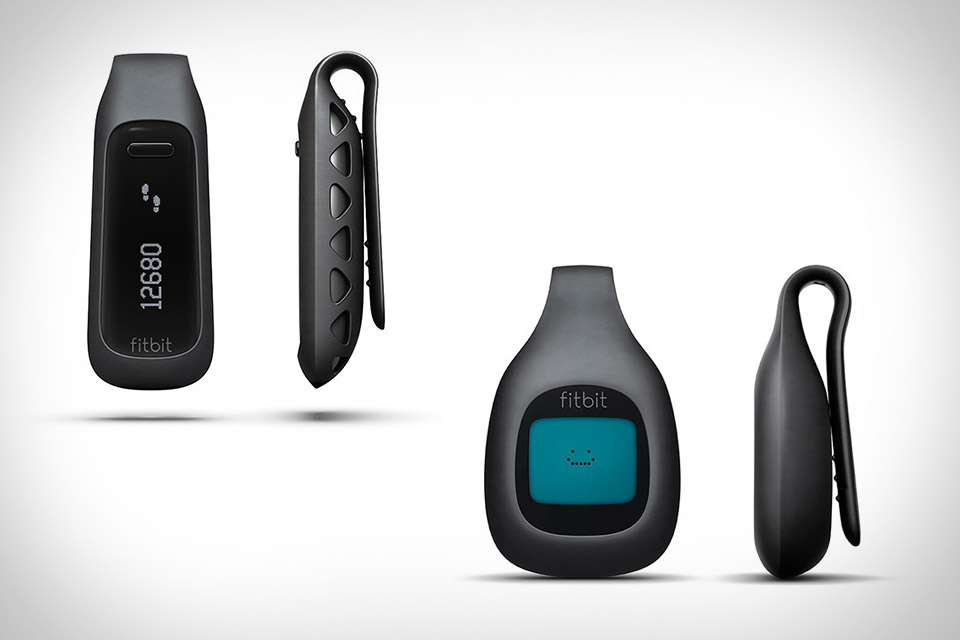
Fitbit One and Zip
My words are probably not enough to convince you that physical activity outside of exercise is a more important factor to help you lose weight, but maybe a little math will. There are a total of 168 hours in a week. If you exercise 5 days a week for 2 hours at a time, that is 10 total hours of physical activity. That's a grand total of 6% of your total hours for the week, and that's assuming you exercise too much. Aside from getting constant low grade physical activity throughout the day by walking and avoiding being seated for long periods of time, we recommend 2-3 hours of exercise per week and our clients see fabulous results doing this. In fact, their results are much better than you will ever see doing it the other way. To lose weight, it's not about the calories being burned, it's about the genes being activated, and this is time dependent.
Managing Stress to lose weight
How you manage stress is something you really need to pay attention to if you want to lose weight. In fact, all of the other topics are as in involved with managing stress as they are with losing weight. In many ways, exercise done properly can help you manage stress by giving you an outlet. However, exercise done incorrectly can push your stress levels to the limit if you are over-exercising or experiencing high levels of life stress and not cutting back on exercise at the same time. Think of your stress level as a bank account. You will take withdrawals from your "stress account", but you better balance your withdrawals with some deposits or you will eventually lose your ability to deal with stress altogether as your account balance crumbles to zero or even negative.Exercise can take withdrawals from your account AND make deposits depending on which type of exercise you do. How most people believe they lose weight is through the type of exercise that takes withdrawals such as distance running, boot camps, crossfit, and aerobic classes. When you look at weight loss from an energy balance perspective this makes the most sense. The problem is, energy balance is affected by your stress account and if you don't balance withdrawals with deposits, you simple don't lose weight. The type of exercise that makes deposits in to your stress account include yoga, meditation, foam rolling/stretching, and tai chi. These are great strategies for managing stress and improving recovery from training. In fact, performing these exercise modalities can improve weight loss by allowing you to train more without overdrawing your stress account.
Conclusion
Diet, exercise, physical activity, and stress management are the 4 major factors or variables that you need to manipulate in order to lose weight. Paying attention to these variables either by directly collecting data and/or subjectively managing them with the way you feel will give you a more thorough understanding of how you lose weight. Most people look at these 4 factors and try to deduce which one(s) are the most important. The truth of the matter is, all 4 are important and you will not lose weight effectively without manipulating all 4. That is not to say that everyone's journey will be exactly the same; we all have different lifestyles, different genetic make up, and different pasts that will shape which approach is best for each variable in order to lose weight. The reason we use a regression diet as the starting point for our nutrition program is based on the concept that we are all different and are affected differently by foods as well as the other 3 variables. With diet we just need to bring everyone back to the point where we weren't so different to identify the dietary approach best suited for the individual to lose weight.In Part 4 of this series we will discuss why we use a Paleo Regression diet to lose weight. I'll give you a hint...It has to do with evolution, but not just your own.
Part 4
Monday, April 15, 2013
How to lose weight the Synergy Wellness way, Part Deux
How to lose weight? In the last blog we discussed this very question and why most of your weight loss efforts go for naught. In it we discovered that the key to losing weight is putting your efforts behind the proper paradigm. For decades we have been following the wrong paradigm by counting calories and pounding away on a treadmill or bicycle. While this may help you lose weight temporarily, you typically end up right back where you were in short order because it's not sustainable. In this blog we will look at tools that can help you learn how to lose weight and give you the feedback you need to make continued progress toward your ideal physique.
One of the things that is invaluable in determining how to lose weight is feedback, or data. Most people already use some form of data when they try to lose weight because they step on the scale to find out their weight on a regular basis. The problem is, this doesn't teach you anything. You are more or less performing an experiment on your self and while you are trying to learn how to lose weight, all you look at is some number the scale gives us. Most people don't cross-reference this data with anything else, all good experiments need 2 types of data. It's a good idea to have something else to compare your weight loss or gain to. In the research field, your weight and/or the weight you lose or gain is referred to as a dependent variable.
If you were running a study on the effects of standing on bone density, bone density is your dependent variable. The problem is, just measuring a dependent variable isn't very useful, we want to know the dependent variable, but we also want to know what caused the dependent variable to change. This is referred to as the independent variable. In our bone density study, the independent variable would be the number of hours you spent standing. In an experiment, you would normally set up 2 or more groups that stood for different lengths during the day. When you compare the bone densities (the dependent variable) of each, you would notice an interaction where the dependent variable changes based on the independent variable (Time standing). This would give you information on what you should do to improve your bone density. While some of you may care about your bone density, you should, most of you are here to lose weight. Let's take a look at the independent variables in your journey to lose weight.
If you were designing an experiment, the independent variables on your journey to learn how to lose weight are merely the lifestyle factors you manipulate to attempt to lose weight. For most people this is going to the gym or running or bicycling over long distances. The problem is, in the grand scheme of things, these things are actually very tiny components of how your body loses weight. In most people, they actually slow weight loss because they are done incorrectly and lead to an internal environment that prevents weight loss rather than one that promotes it because they ignore what is going on in the body altogether. When looking to lose weight, there are numerous independent variables to control. Of primary importance are diet, sleep, stress, sedentary time, and physical activity. These can all be measured with the Fitbit activity tracker, the topic of this blog.
Physical activity is a very powerful piece of data because it is one that is easy to measure. When I work with clients, I have them use a Fitbit activity tracker for 3 days to get a general idea of where their physical activity is. The Fitbit is a great piece of technology because unlike other pedometers, it gives you more than just total steps per day and allows you to measure most, if not all of your independent variables. You can extract quite a bit of information out of the Fitbit data. Having worked with many clients who want to know how to lose weight, I have assessed quite a bit of this data. In addition to the activity and step data, you can also enter independent variables in to your Fitbit Dashboard that the Fitbit doesn't measure such as what you eat, your blood glucose reading, your resting heart rate, and subjective feelings you record in the journal section. You can also enter your weight so you can see how your dependent variable is affected by your independent variables. I have clients enter as much data as they can during their initial 3 day evaluation and when I look over the data I can tell precisely what they are doing wrong. The best part is, I never have to meet this person, they could be in Timbuktu and as long as they have internet access and a Fitbit I can look over their data and Skype them or send them a report. I can give them an answer to the question, "How do I lose weight?" because I can see everything they are doing that either slows weight loss down or stops it all together. From an epigenetics perspective, I can see what they are doing that sends the wrong signals to their cells, not allowing them to lose weight. Maybe they are spending too much time sitting down, maybe their poor sleep habits are throwing off their blood glucose numbers which prevents fat from being burned, or maybe they are overeating carbohydrates for their particular lifestyle. Wearing it over long periods of time can also help identify food sensitivities the person may have. If you are having trouble trying to figure out how to lose weight, the Fitbit is a really useful tool to help you.
In the next blog, we will look at specific independent variables/lifestyle factors and how they impact your ability to lose weight. These are principles everyone should understand and if you are currently using a fitness professional or wellness coach and they're not driving this home you may want to look elsewhere.
Part 3
One of the things that is invaluable in determining how to lose weight is feedback, or data. Most people already use some form of data when they try to lose weight because they step on the scale to find out their weight on a regular basis. The problem is, this doesn't teach you anything. You are more or less performing an experiment on your self and while you are trying to learn how to lose weight, all you look at is some number the scale gives us. Most people don't cross-reference this data with anything else, all good experiments need 2 types of data. It's a good idea to have something else to compare your weight loss or gain to. In the research field, your weight and/or the weight you lose or gain is referred to as a dependent variable.
If you were running a study on the effects of standing on bone density, bone density is your dependent variable. The problem is, just measuring a dependent variable isn't very useful, we want to know the dependent variable, but we also want to know what caused the dependent variable to change. This is referred to as the independent variable. In our bone density study, the independent variable would be the number of hours you spent standing. In an experiment, you would normally set up 2 or more groups that stood for different lengths during the day. When you compare the bone densities (the dependent variable) of each, you would notice an interaction where the dependent variable changes based on the independent variable (Time standing). This would give you information on what you should do to improve your bone density. While some of you may care about your bone density, you should, most of you are here to lose weight. Let's take a look at the independent variables in your journey to lose weight.
If you were designing an experiment, the independent variables on your journey to learn how to lose weight are merely the lifestyle factors you manipulate to attempt to lose weight. For most people this is going to the gym or running or bicycling over long distances. The problem is, in the grand scheme of things, these things are actually very tiny components of how your body loses weight. In most people, they actually slow weight loss because they are done incorrectly and lead to an internal environment that prevents weight loss rather than one that promotes it because they ignore what is going on in the body altogether. When looking to lose weight, there are numerous independent variables to control. Of primary importance are diet, sleep, stress, sedentary time, and physical activity. These can all be measured with the Fitbit activity tracker, the topic of this blog.
Physical activity is a very powerful piece of data because it is one that is easy to measure. When I work with clients, I have them use a Fitbit activity tracker for 3 days to get a general idea of where their physical activity is. The Fitbit is a great piece of technology because unlike other pedometers, it gives you more than just total steps per day and allows you to measure most, if not all of your independent variables. You can extract quite a bit of information out of the Fitbit data. Having worked with many clients who want to know how to lose weight, I have assessed quite a bit of this data. In addition to the activity and step data, you can also enter independent variables in to your Fitbit Dashboard that the Fitbit doesn't measure such as what you eat, your blood glucose reading, your resting heart rate, and subjective feelings you record in the journal section. You can also enter your weight so you can see how your dependent variable is affected by your independent variables. I have clients enter as much data as they can during their initial 3 day evaluation and when I look over the data I can tell precisely what they are doing wrong. The best part is, I never have to meet this person, they could be in Timbuktu and as long as they have internet access and a Fitbit I can look over their data and Skype them or send them a report. I can give them an answer to the question, "How do I lose weight?" because I can see everything they are doing that either slows weight loss down or stops it all together. From an epigenetics perspective, I can see what they are doing that sends the wrong signals to their cells, not allowing them to lose weight. Maybe they are spending too much time sitting down, maybe their poor sleep habits are throwing off their blood glucose numbers which prevents fat from being burned, or maybe they are overeating carbohydrates for their particular lifestyle. Wearing it over long periods of time can also help identify food sensitivities the person may have. If you are having trouble trying to figure out how to lose weight, the Fitbit is a really useful tool to help you.
In the next blog, we will look at specific independent variables/lifestyle factors and how they impact your ability to lose weight. These are principles everyone should understand and if you are currently using a fitness professional or wellness coach and they're not driving this home you may want to look elsewhere.
Part 3
Wednesday, April 10, 2013
How to lose weight the Synergy Wellness way!
For many people, losing weight is a lifelong battle because they don't know how to lose weight. The reason it's a lifelong battle is because people lose weight for a short period of time but then begin to pack it back on as they return to their old habits. While the primary purpose of the Synergy Wellness Program is to live a healthy and happy life, one of the welcomed side effects is fast and effective weight loss. If you've been counting calories and pounding away on the treadmill with no weight loss results, sit tight and you'll learn precisely why you've had trouble accomplishing what so many people have trouble accomplishing. In other words, let's learn how to lose weight!
Don't get me wrong, I am not denying that there is probably some relationship between the excess amount of energy we have left in our bodies at the end of the day and weight gain, but it is an indirect relationship. The problem is that accumulating or burning fat is not a process of physics, it's a process of biology. In other words, physics can't tell you how to lose or gain weight, it can only tell you whether you are in a negative energy state, a positive energy state, or a balanced energy state. Losing and gaining weight are biological processes carried out by your cells. You can see how important calories are in this process by looking at the number of calorie receptors on your cells (I'll give you a hint, it's zero).
When a person wants to learn how to lose weight, what they are really trying to accomplish is the burning of body fat. This process is dictated within you, a biological system, by the signals that are sent to your cells via hormones and enzymes. If your cells don't get the signals to burn fat they won't, regardless of how big of a caloric deficit you are in. Your goal, then, should be to send the proper signals to your cells.
Molecules from the environment of the cell attach to the cell and tell it which portion of the DNA to read. Think of it like a DVD. The entire DVD contains all of the information, but you can read different parts of the DVD by starting the DVD at different places. The same thing happens with your cells, the environment the cell is in tells the cell which part of the DVD to read and it carries out this function. If we are looking to answer the question, "How do you lose weight?", the answer is simple...by getting your cells to carry out the function within your DNA that tells them to do so. But how do you do that? By providing the proper internal environment via hormones and enzymes for the cell to read that part of the DNA. This is called epigenetics, how your genes and environment interact. So how will this help you lose weight?
To lose weight all we need to do is understand the hormonal factors that lead to weight loss and do more of them, and understand the hormonal factors that lead to weight gain and avoid them. Over time, provided you spend more time doing the former and less time doing the latter, you will achieve the weight loss you are striving for. The problem with trying to lose weight via energy balance is that counting calories and trying to burn more calories than you eat will only work if it satisfies the epigenetic mechanisms that tell a cell to burn fat. This will lead to weight loss, at least the type of weight loss most of us are trying to accomplish. This is what I mean when I say energy balance will only work indirectly. Let's take a brief look at epigenetics in action.
As the intensity of your activity increases, you may burn more calories but a higher percentage comes from glucose. This is because this type of effort is primarily powered by glucose, so you send signals to your cells to burn more glucose. When you finish the effort and go back to rest, you begin burning fat again. In fact, you burn more fat than if you would have never done that intense exercise because your resting metabolic rate will increase due to your body using fat to recover from the intense effort. However, if you do this type of intense activity too much, you will exceed your body's ability to recover and you may get stuck in glucose burning mode, something we will discuss in a later blog. So while you may lose weight, you won't lose fat. You will just be shuffling water around in your body as each molecule of glucose requires 4 molecules of water for the cell to store it as glycogen. The next time you eat any significant amount of carbohydrate and drink any amount of water the weight you lose will come back on...Sound familiar? All of this occurs via the effect of hormones which dictate what your cells should do, which enzymes they should make, and which enzymes they should not. Ignoring all of this and focusing your time on energy balance will prevent you from effectively losing weight. Energy balance is not how you lose weight, epigenetics is.
In the next installment of this series, we will discuss some of the important factors that can tell you how to lose weight.
Part 2
A Paradigm Shift
Looking at yourself as a machine that you pump energy in to (in the form of food) and get energy out of (in the form of physical activity or exercise) is the primary way people look at weight loss. This approach to weight loss is called the energy balance equation and it states that if you eat fewer calories than you burn you will lose weight and if you eat more calories than you burn you will gain weight. This approach to weight loss has been used for years and, unfortunately, it's wrong on a couple of accounts. The first law of thermodynamics, which the energy balance equation is based on, states that energy is always conserved in a closed system. One of the problems with using this law to dictate weight loss is that humans are not closed systems, closed systems do not interact with their environment but humans do. For one, if your 98.6 degree body enters a 70 degree room, your body will need to generate heat to maintain it's temperature. This is not a characteristic of a closed system, we are open systems.Don't get me wrong, I am not denying that there is probably some relationship between the excess amount of energy we have left in our bodies at the end of the day and weight gain, but it is an indirect relationship. The problem is that accumulating or burning fat is not a process of physics, it's a process of biology. In other words, physics can't tell you how to lose or gain weight, it can only tell you whether you are in a negative energy state, a positive energy state, or a balanced energy state. Losing and gaining weight are biological processes carried out by your cells. You can see how important calories are in this process by looking at the number of calorie receptors on your cells (I'll give you a hint, it's zero).
When a person wants to learn how to lose weight, what they are really trying to accomplish is the burning of body fat. This process is dictated within you, a biological system, by the signals that are sent to your cells via hormones and enzymes. If your cells don't get the signals to burn fat they won't, regardless of how big of a caloric deficit you are in. Your goal, then, should be to send the proper signals to your cells.
How to lose weight using Epigenetics
You are much like the cells within your body. In the same way you adapt to the environment you are in, they do the same thing. In fact, you relay information to your cells about the environment you are in via the hormones and enzymes your body pumps out. So, in a way, your internal environment is a hormonal representation of the external environment you live in. To understand how this works, we need to understand how your cells work. Within the nucleus of every one of your cells is something called DNA. Your DNA is basically a blueprint for you and it is identical in every one of your cells no matter what type of cell. Within your DNA are thousands of genes which are specific orders for the cells to carry out. If the DNA is a blueprint for a house, genes are the specific orders such as, "Put the front door here". If the DNA and genes are identical in all cells, why is a hair cell different than an eye cell? They are different because different genes are activated based on the environment the cell is in.Molecules from the environment of the cell attach to the cell and tell it which portion of the DNA to read. Think of it like a DVD. The entire DVD contains all of the information, but you can read different parts of the DVD by starting the DVD at different places. The same thing happens with your cells, the environment the cell is in tells the cell which part of the DVD to read and it carries out this function. If we are looking to answer the question, "How do you lose weight?", the answer is simple...by getting your cells to carry out the function within your DNA that tells them to do so. But how do you do that? By providing the proper internal environment via hormones and enzymes for the cell to read that part of the DNA. This is called epigenetics, how your genes and environment interact. So how will this help you lose weight?
To lose weight all we need to do is understand the hormonal factors that lead to weight loss and do more of them, and understand the hormonal factors that lead to weight gain and avoid them. Over time, provided you spend more time doing the former and less time doing the latter, you will achieve the weight loss you are striving for. The problem with trying to lose weight via energy balance is that counting calories and trying to burn more calories than you eat will only work if it satisfies the epigenetic mechanisms that tell a cell to burn fat. This will lead to weight loss, at least the type of weight loss most of us are trying to accomplish. This is what I mean when I say energy balance will only work indirectly. Let's take a brief look at epigenetics in action.
Burning fat or losing water weight?
How many calories do you need to burn to lose a pound of fat? Most people would probably say 3500 calories because that is what every trainer, dietitian, nutritionist or doctor has told them. While there is, indeed, 3500 calories in a pound of fat, that is not the question that is being asked. The question I asked is how many calories do you need to burn to lose a pound of fat. From a physics perspective 3500 is the number because that is how many calories in a pound of fat. From a biological perspective the number is actually much greater, and it increases as the intensity of your activity increases. This is because you are never burning 100% of your calories from fat, at most you are burning 60% of your calories from fat and this occurs at rest. So, doing a little math, you have to burn 5833 calories to burn one pound of fat and this occurs at rest.As the intensity of your activity increases, you may burn more calories but a higher percentage comes from glucose. This is because this type of effort is primarily powered by glucose, so you send signals to your cells to burn more glucose. When you finish the effort and go back to rest, you begin burning fat again. In fact, you burn more fat than if you would have never done that intense exercise because your resting metabolic rate will increase due to your body using fat to recover from the intense effort. However, if you do this type of intense activity too much, you will exceed your body's ability to recover and you may get stuck in glucose burning mode, something we will discuss in a later blog. So while you may lose weight, you won't lose fat. You will just be shuffling water around in your body as each molecule of glucose requires 4 molecules of water for the cell to store it as glycogen. The next time you eat any significant amount of carbohydrate and drink any amount of water the weight you lose will come back on...Sound familiar? All of this occurs via the effect of hormones which dictate what your cells should do, which enzymes they should make, and which enzymes they should not. Ignoring all of this and focusing your time on energy balance will prevent you from effectively losing weight. Energy balance is not how you lose weight, epigenetics is.
In the next installment of this series, we will discuss some of the important factors that can tell you how to lose weight.
Part 2
Subscribe to:
Posts (Atom)